State Guide
Data Centers in Alabama: Lawsuits, Disputes, and Your Rights
Alabama is a fast-growing data center state, and Bessemer homeowners already took a $14.5 billion project to court over its rezoning. What happened in the Project Marvel lawsuit, what residents near Birmingham and Huntsville are dealing with, and how Alabama neighbors can tell us about their situation.
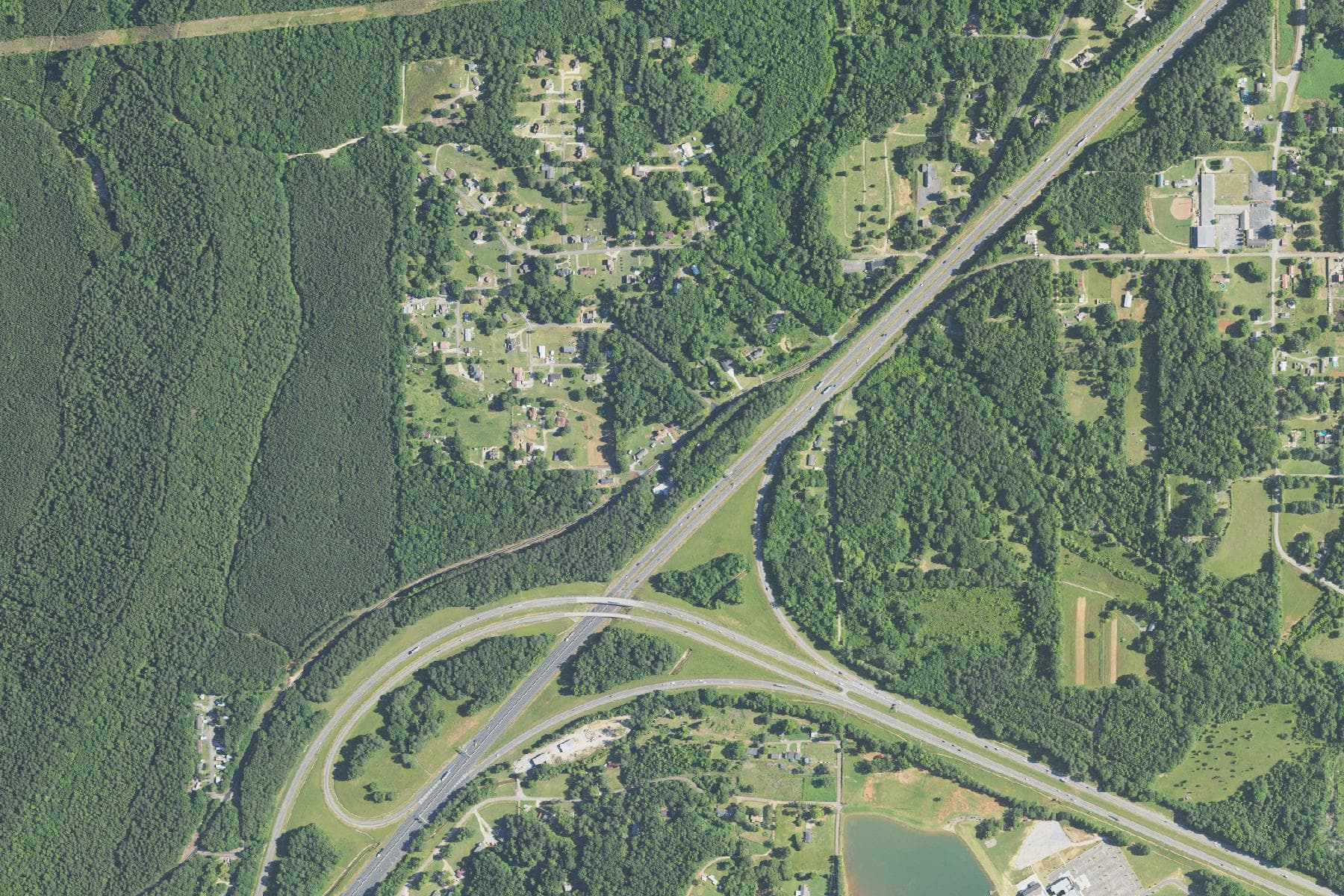
proposed data center tract in Bessemer, Alabama, photographed 2023-05-30. More than 1,600 acres of forest northwest of the Interstate 20/59 and Interstate 459 interchange, with the neighborhoods that objected along its eastern edge. The imagery predates the proposal, so the tract is shown as it stood before any clearing.
USDA Farm Service Agency / USGS National Map, National Agriculture Imagery Program. Cropped from NAIP 0.6 m aerial imagery, scene m_3308748_ne_16_060_20230530. (original)
Alabama at a glance
Fast growth
- Market size
- Growing; hyperscale investment arriving in the Birmingham metro and north Alabama
- Hot spots
- Bessemer and the Birmingham metro, Huntsville, Jackson County
- Key operators
- Google (Jackson County) plus the developers behind the $14.5 billion Bessemer campus known as Project Marvel
- Documented disputes
- Bessemer Project Marvel rezoning lawsuit, filed April 2025, dismissed June 2026 after the city redid its approval
- Statewide action
- None documented as of August 2026
Key Takeaways
- Alabama already has a completed data center lawsuit: Bessemer homeowners sued over the rezoning for Project Marvel, a $14.5 billion campus of more than four million square feet, and won a temporary restraining order that blocked the city council vote in April 2025.
- The suit ended in a dismissal in June 2026, but only after it forced Bessemer to restart the rezoning process, a reminder that procedural challenges can change outcomes even when they do not stop a project.
- The Southern Environmental Law Center engaged on the opposition side in Bessemer, showing that Alabama residents can attract experienced counsel to these fights.
- Alabama neighbors dealing with noise, dust, water problems, or construction damage have the same core legal tools residents are using nationwide: nuisance claims, zoning appeals, and ordinance enforcement.
- Zoning challenges run on short clocks measured in days or weeks after an approval, so residents near a proposed campus should get legal advice immediately.
Data centers in Alabama, from the registry
All 27 sites27 sites on the public record: 9 operating, 5 under construction, 1 permitted, 11 proposed, 1 cancelled. 6 carry documented opposition or litigation. 3.5 GW planned.
By county, alphabetically. Each profile carries capacity, land, utility, water, subsidies, jobs, a timeline, and every source.
Elmore County (1 site)
- Tallassee 1852 Mill Data Center Proposal · Tallassee · Undisclosed private developersCancelled · 10 MW
Franklin County (1 site)
- Synergy South Russellville Bitcoin Mining Facility · Russellville · Synergy SouthOperating
Houston County (1 site)
- Construction Partners Corporate Headquarters and Data Processing Center · Dothan · Construction Partners, Inc.Proposed
Jackson County (1 site)
- Google Jackson County Campus · Stevenson · GoogleOperating · Supported
Jefferson County (4 sites)
- Nebius Birmingham AI Factory (BHM01) · Birmingham · Nebius GroupUnder construction · 300 MW · In litigation
- QTS Bessemer (Project Marvel) · Bessemer · QTS Data CentersProposed · 1.2 GW · Contested
- Patmos Fairfield Colocation Data Center · Fairfield · PatmosProposed · 45 MW · Contested
- DC BLOX Birmingham Data Center Campus · Birmingham · DC BLOXOperating · 60 MW
Lee County (1 site)
- Core Scientific Auburn Data Center (AUBix) · Auburn · Core ScientificUnder construction · 16 MW · Supported
Lowndes County (1 site)
- Project Red Clay · Cloverleaf InfrastructureProposed · 1.5 GW · Opposed
Madison County (5 sites)
- Meta Huntsville Data Center Campus · Huntsville · MetaOperating · 487 MW · Supported
- DC BLOX Huntsville Data Center · Huntsville · DC BLOXOperating · 13.5 MW
- Simple Helix Data Center · Huntsville · Simple Helix, LLCOperating · 1.1 MW
- Alabama Supercomputer Center · Huntsville · Alabama Supercomputer AuthorityOperating
- Scipio Technologies Huntsville Data Center · Huntsville · Scipio TechnologiesOperating
Mobile County (2 sites)
- Edged Prichard Data Center (Project Gateway) · Prichard · Edged USProposed · 8 MW · Mixed reception
- Calvert Infrastructure Hub · Calvert · Beacon Data CentersProposed · Mixed reception
Montgomery County (3 sites)
- Meta Montgomery Data Center · Montgomery · MetaUnder construction · Supported
- DC BLOX Montgomery Data Center · Montgomery · DC BLOXProposed · 40 MW
- RSA Dexter Avenue Datacenter · Montgomery · The Retirement Systems of AlabamaOperating · 2 MW
Morgan County (1 site)
- Sovereign Gazelle Bitcoin Mining Data Center · Somerville · Sovereign GazelleProposed · 50 MW · Opposed
Shelby County (2 sites)
- Digi Power X Columbiana AI Data Center · Columbiana · Digi Power XUnder construction · 40 MW · Contested
- Swift Willow Westover Data Center Campus · Westover · Swift Willow Property, LLCProposed · Mixed reception
Talladega County (1 site)
- Western Hospitality Childersburg Campus · Childersburg · Western Hospitality PartnersProposed
Tuscaloosa County (3 sites)
- Applied Digital Delta Forge 2 (Brookwood AI Factory Campus) · Brookwood · Applied DigitalProposed · 210 MW · Mixed reception
- University of Alabama High Performance Computing and Data Center · Tuscaloosa · University of AlabamaUnder construction · 14.6 MW
- Project Brookwood Data Center Campus · Brookwood · Youngwoo & AssociatesPermitted
In this article
Alabama is no longer a bystander in the data center boom. Google operates in Jackson County, Huntsville is courting technology investment, and Bessemer approved Project Marvel, a $14.5 billion campus of more than four million square feet across 18 buildings, over sustained neighborhood opposition. That project produced the state's first major data center lawsuit, a homeowner challenge to the rezoning that briefly stopped the city council in its tracks. The case is over, but the playbook it wrote is not. Here is where things stand in Alabama and what you can do if a facility is planned near your home or already affecting it.
The data center footprint in Alabama
Alabama's data center story runs on two tracks. In the north, Google has long operated a data center in Jackson County, and Huntsville's technology economy keeps the region on site selectors' lists. In the Birmingham metro, the industry arrived at hyperscale: Bessemer approved Project Marvel, a $14.5 billion campus planned at more than four million square feet across 18 buildings, one of the largest economic development projects in state history.
That scale is exactly why the conflicts have started. Campuses this size need large tracts of land near existing neighborhoods, around-the-clock cooling, and major power infrastructure. In Bessemer, the project landed next to established residential areas near Rock Mountain Lake Road, and the neighbors did not stay quiet.
What Alabama residents are dealing with
The Bessemer fight put the recurring complaints on the record:
- Land use shock. Homeowners near Rock Mountain Lake Road argued the city's rezoning for Project Marvel was arbitrary and capricious spot zoning that dropped a massive industrial campus into a residential and rural setting.
- Process concerns. The lawsuit also pressed the city over disclosure of what council members actually reviewed before voting, a transparency theme that runs through data center fights nationwide.
- What comes next. Residents near operating campuses in other states report constant mechanical noise, well and water problems during construction, dust, and truck traffic. Alabama neighbors of new campuses should expect the same categories of impact and document early. Our guide to documenting data center harm explains how.
Lawsuits and disputes in Alabama
The Bessemer Project Marvel lawsuit. In April 2025, homeowners near Rock Mountain Lake Road sued to challenge Bessemer's rezoning for the campus, arguing arbitrary and capricious spot zoning and seeking disclosure of the materials councilors reviewed before the vote. On April 14, 2025, they won a temporary restraining order that blocked the city council's vote. The city responded by restarting the rezoning process and gave the project final approval in November 2025. On June 22, 2026, the case was dismissed on a joint stipulation of the parties. The Southern Environmental Law Center engaged on the opposition side during the fight. Read the full story in our Bessemer Project Marvel case page.
No other filed data center litigation is documented in Alabama as of August 2026. That does not mean there are no disputes; it means the fights so far have played out in council chambers and public hearings rather than courtrooms.
Your legal options in Alabama
Alabama residents facing a data center have the same core toolkit neighbors are using nationwide:
- Zoning and rezoning challenges. Bessemer proved these get filed and get traction in Alabama. Courts review whether an approval followed required procedures and whether it amounts to unlawful spot zoning. Deadlines after an approval are short, sometimes a matter of weeks.
- Private nuisance and property damage claims. For operating facilities, constant noise, vibration, dust, and water impacts can support claims for money damages and mitigation. Attorneys typically take strong cases on a contingency fee basis.
- Ordinance enforcement. Written complaints to the city or county about noise or code violations build the record for any later claim, and sometimes solve the problem on their own.
- Organized opposition to proposals. Before an approval, residents can press for conditions, setbacks, and noise limits. Our guide on fighting a proposed data center covers the playbook.
A statute of limitations applies to damage claims and varies by claim type, commonly two to six years depending on the state; an Alabama attorney can confirm the deadlines that govern your situation.
If you live near an Alabama data center
Start a record now: a dated log of noise and other impacts, photos of dust or construction damage, a water test if you are on a well near active construction, and written complaints to the city or county every time something crosses the line. Pull the project's rezoning conditions and permits from the municipal file and note anything being violated.
Then get a legal read on your situation. Our free intake form lets you tell us what is happening; where a participating attorney who handles these matters in Alabama is available, we may share your information with them with your consent, but we cannot promise that anyone will contact you.
Alabama cases we are tracking
- Bessemer's Project Marvel Lawsuit: How a Dismissed Case Still Forced a Do-Over
Homeowners near Rock Mountain Lake Road sued Bessemer, Alabama in April 2025 over the rezoning for Project Marvel, a $14.5 billion, 18-building data center campus. A TRO blocked the council vote, the city restarted the process, and the case was dismissed by joint stipulation on June 22, 2026. What the case won even in losing.
Frequently asked questions
Can I sue a data center in Alabama?
Yes. Bessemer homeowners sued over the rezoning for the $14.5 billion Project Marvel campus in April 2025 and won a temporary restraining order that blocked a city council vote before the case was dismissed in June 2026. Residents affected by an operating facility can also bring nuisance and property damage claims, and an attorney can evaluate which path fits your facts.
What happened with the Bessemer data center lawsuit?
Homeowners near Rock Mountain Lake Road challenged the rezoning for Project Marvel as arbitrary spot zoning and won a temporary restraining order in April 2025 that blocked the council vote. The city restarted its rezoning process and gave final approval in November 2025, and the case was dismissed on a joint stipulation on June 22, 2026.
Can Alabama residents stop a proposed data center?
It is difficult but the process can be influenced. The Bessemer suit forced the city to redo its rezoning even though the project ultimately went forward, and in other states procedural challenges have voided approvals outright. The window to challenge an approval is short, so residents should engage an attorney as soon as a vote happens.
What can I do about data center noise in Alabama?
Document it with a dated log and decibel readings at your property line, file written complaints with your city or county, and compare the readings to any local noise ordinance. A documented record supports ordinance enforcement now and a nuisance claim later if one becomes necessary.
Who handles data center construction damage claims in Alabama?
Claims for well contamination, dust, vibration damage, or flooding caused by construction are typically brought as nuisance, negligence, or property damage claims against the operator or its contractors. Test and photograph the damage promptly, keep receipts, and have an attorney review the facts before deadlines run.
Article sources
Our editorial standards require primary sources: government publications, regulator data, company filings, and established industry research.
Is a data center disrupting your home in Alabama?
Tell us what is happening. Where a participating attorney who handles data center cases in your state is available, we may share your information with them with your consent. It is free and carries no obligation, but we cannot promise that anyone will contact you.
- Tell us about your situation
- Independent attorneys
- No obligation
Attorney or law firm handling data center matters? Speak with us