Claim Center
Data Center Air Pollution: Turbines, Generators, and Your Rights
Gas turbines and diesel generator banks powering AI data centers are the subject of a federal Clean Air Act lawsuit against xAI. What neighbors breathing the exhaust can do, from permit checks to citizen suits, plus a free form to tell us about your situation.
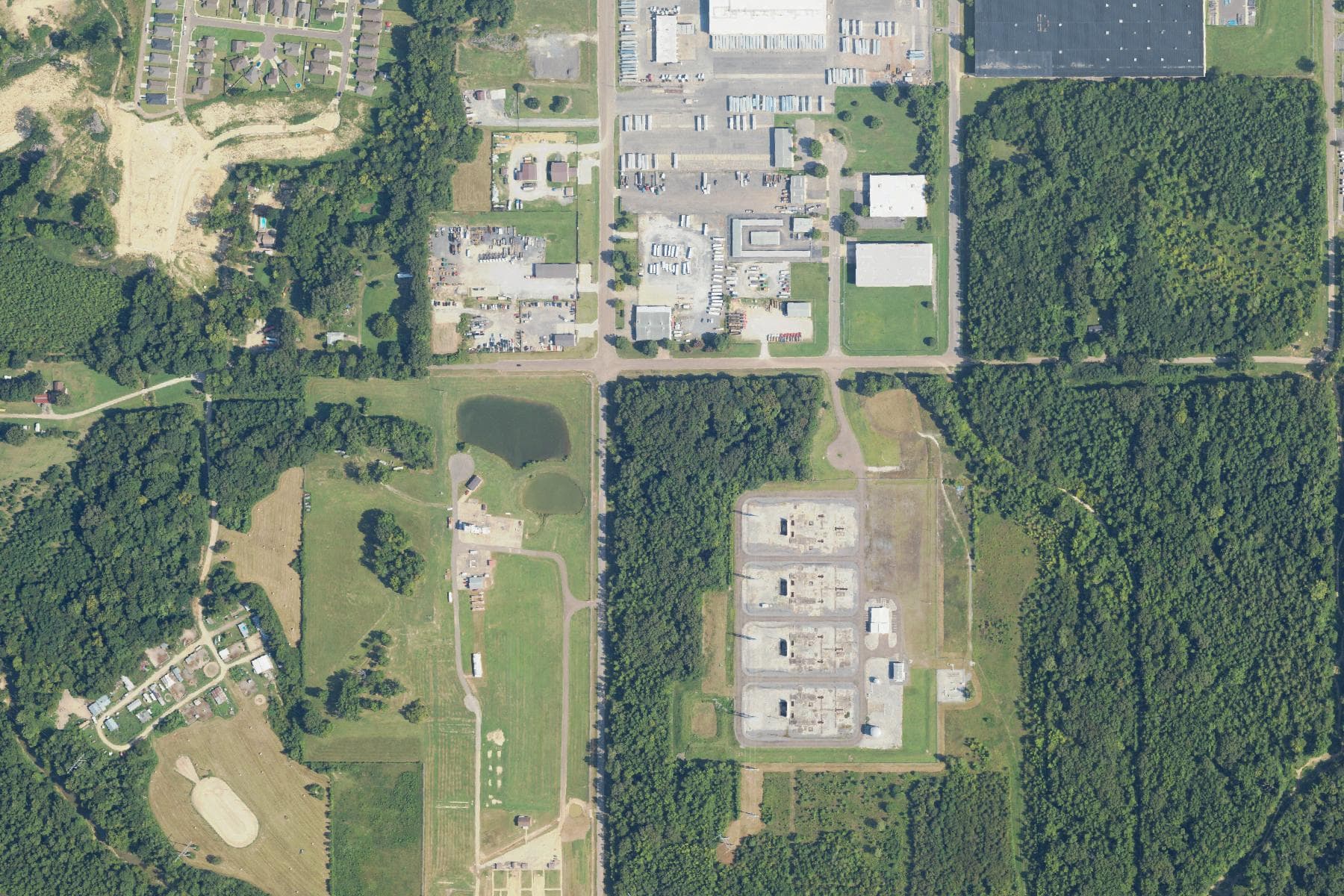
power plant site serving the Colossus data center in Southaven, Mississippi, photographed 2023-08-20. The plant stands on the pad of a demolished power station off Stanton Road, with houses a few hundred yards northwest through the trees. This 2023 imagery shows the foundations before the gas turbines were installed on them.
USDA Farm Service Agency / USGS National Map, National Agriculture Imagery Program. Cropped from NAIP 0.6 m aerial imagery, scene m_3409008_ne_15_060_20230820. (original)
Key Takeaways
- AI data centers increasingly run on-site gas turbines and large diesel generator fleets while waiting for grid power, and unpermitted operation is legally vulnerable.
- The NAACP filed a federal Clean Air Act citizen suit against xAI in April 2026 over 27 allegedly unpermitted turbines at its Southaven, Mississippi campus, seeking an injunction and daily penalties.
- Citizen suits let ordinary residents enforce the Clean Air Act after a 60 day notice; the case turns on permits, not on proving individual illness.
- Air permits are public records: what is actually running versus what is permitted is the heart of any claim.
Data centers were sold to communities as clean neighbors, but the AI build-out changed the physics: campuses now run methane gas turbines and banks of diesel generators, sometimes before permits catch up. That gap is enforceable. The NAACP's federal Clean Air Act suit against xAI over the Colossus turbines is the template, and neighbors near any facility running combustion equipment have concrete steps available.
Where the pollution comes from
Three sources matter to neighbors: gas turbines used as bridge or primary power, which emit nitrogen oxides and other pollutants; diesel backup generators, often dozens per campus, which are tested regularly and produce exhaust plumes and odor; and construction dust during multi-year build-outs. Large combustion sources generally need air permits before operating, with pollution controls built in, and that "before" is where operators cut corners when power is scarce.
The legal tools, from complaints to citizen suits
The escalation ladder: written complaints to your state or county air agency; public comment and appeals on pending permits; and, where a source runs without required permits, a federal citizen suit under the Clean Air Act, which requires a 60 day notice and can produce injunctions and daily penalties. That is the path the NAACP took against xAI, first in the Shelby County permit system over the Memphis turbines, then in federal court over Colossus 2 in Southaven. Nuisance and negligence claims for odor, soot, and health effects can run alongside.
What to do if you are breathing it
Photograph and count the equipment, log run times, odors, haze, and symptoms in a dated journal, and see a doctor about health effects so they are in your records. Pull the facility's air permit file from your state or county agency. Then tell us about your situation: environmental claims are deadline-driven and technical, and an attorney can tell you quickly whether the permit file and your documentation add up to a case. The full breakdown is in our air pollution claims guide.
The real cases behind this claim
- NAACP v. xAI: The Clean Air Act Fight Over Colossus's Gas Turbines
The NAACP, represented by SELC and Earthjustice, is suing xAI in federal court over 27 allegedly unpermitted gas turbines powering the Colossus 2 data center in Southaven, Mississippi, after a parallel permit fight in Memphis. Status, stakes, and what it means for data center neighbors everywhere.
The deep dive
Data Center Air Pollution: Turbines, Generators, and Your Right to Sue
Data centers increasingly bring their own power: gas turbines and huge diesel generator banks. The NAACP's federal Clean Air Act suit against xAI shows neighbors can fight back directly. Here is how citizen suits work, how to read the permit file, and how to document health effects.
Read the full guide →
Frequently asked questions
Can I sue a data center for air pollution?
Potentially, yes. If combustion equipment runs without required permits, the Clean Air Act lets citizens sue after a 60 day notice, the theory in the NAACP's federal case against xAI. Nuisance and negligence claims for odors, soot, and health effects can also apply. An attorney can evaluate which doors are open on your facts.
Are data center generators regulated?
Yes. Large diesel generators and gas turbines generally require air permits with emissions limits and testing rules, which vary by state and size. The permit file for the facility near you is a public record, and comparing what is permitted to what is running is the first step in any claim.
Do I have to prove the pollution made me sick?
Not for a Clean Air Act citizen suit, which turns on whether the source violated permitting and emissions requirements. Personal injury claims are separate and need medical documentation, which is one reason to see a doctor about symptoms early.