Stopping a Project
How to Fight a Proposed Data Center Before It Breaks Ground
Approval fights are the most successful category of data center litigation. Here is the playbook: reading the rezoning file, spotting notice and open meetings defects, organizing neighbors, referendums and recalls, moratoriums, and the short appeal clocks that decide everything.
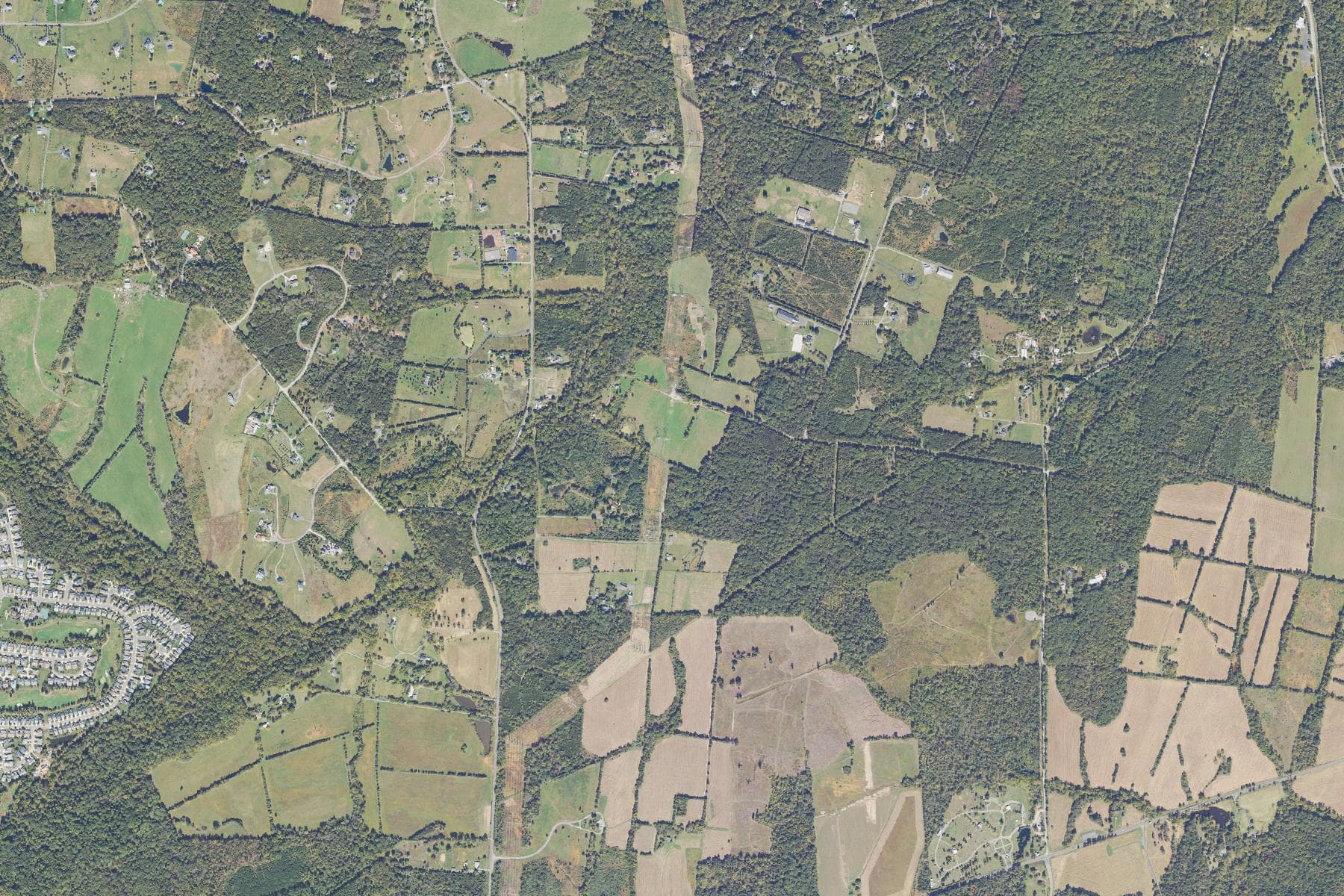
Digital Gateway rezoning corridor in Gainesville, Virginia, photographed 2023-10-11. The Pageland Lane corridor beside Manassas National Battlefield Park. The rezonings covering these 2,139 acres were voided and the final appeal withdrawn in July 2026, so what the frame shows is what remains.
USDA Farm Service Agency / USGS National Map, National Agriculture Imagery Program. Cropped from NAIP 0.6 m aerial imagery, scene m_3807712_ne_18_060_20231011. (original)
Key Takeaways
- Stopping a data center before approval is far easier than suing one after it is built. Courts have voided approvals for the largest proposed campus in the world, and towns have reversed projects under political pressure alone.
- Procedural defects are the killer. The Prince William Digital Gateway rezoning died because the county's public notice was legally defective, and that ruling was affirmed on appeal.
- Open meetings and sunshine laws are the second weapon: residents in Festus, Missouri, Port Washington, Wisconsin, and Pima County, Arizona all sued over closed-door dealmaking.
- Politics works too. Peculiar, Missouri blocked a $1.5 billion project by amending its own code, and voters then ousted half the city council.
- The clock is everything. Appeal windows after an approval can be as short as 30 days (10 days for some Texas decisions), so the time to engage a lawyer is before the vote, not after.
In this article
The single most successful category of data center litigation is not the noise suit or the water claim: it is the fight over the approval itself. Courts have voided the rezoning for the Prince William Digital Gateway, the largest proposed data center project in the world, over a defective public notice. Residents have sued cities under sunshine laws for negotiating deals behind closed doors, forced developers to withdraw, and voted out the officials who approved projects. This guide walks through the full playbook: reading the application, spotting the procedural defects that kill projects, organizing, the political routes, and the brutally short deadlines that follow an approval.
Why the approval fight is the one neighbors win
Once a data center is built, your remedies shrink to damages and mitigation. Before it is approved, the entire project is on the table, and the record of neighbor wins at this stage is real:
- Prince William County, Virginia. A circuit judge voided the Digital Gateway rezonings in August 2025 because the public notice for the approval hearing was legally defective, and the Virginia Court of Appeals affirmed in March 2026. One developer dropped out; the county, which had spent over $400,000 on outside counsel, exited the case. The fight continues at the Virginia Supreme Court, but a 2,000 acre project has been stopped in its tracks for years.
- Bessemer, Alabama. Homeowners sued over the Project Marvel rezoning and won a temporary restraining order that blocked the council vote, forcing the city to restart the rezoning process from scratch.
- Peculiar, Missouri. No lawsuit at all: the Board of Aldermen deleted the data center definition from the city's light industrial code, blocking a $1.5 billion project outright.
- Fayette County, Georgia. Residents and Flint Riverkeeper announced plans to sue over a proposed data center; the developer withdrew in March 2026 before a complaint was ever filed.
- Chandler, Arizona. After years of noise complaints, the city passed a first-of-its-kind data center ordinance and rejected a subsequent data center proposal in 2025.
Notice the pattern: the wins come from procedure, ordinances, and organized pressure, not from arguments that data centers are bad in general. Boards and courts do not respond to vibes. They respond to defects in the record and to voters.
Step one: read the application like a lawyer would
Every data center needs land use approval: a rezoning, a special use permit, or both. The application and everything filed with it are public records at your planning department, and they are where the fight begins. Request and read:
- The application itself and every amendment to it. In Coweta County, Georgia, residents sued to void the Project Sail rezoning in part because the application was amended after a December 2025 ordinance change without a new Development of Regional Impact study, the regional review Georgia requires for very large projects. Amendments made late, quietly, or out of sequence are exactly the kind of defect courts act on.
- The staff report, which tells you what your own planning department thinks and what conditions it recommended.
- Proffers and conditions: promised setbacks, sound walls, water commitments, generator testing limits. These become enforceable later, and their absence is an argument now.
- The notice record: when and where the hearing was advertised, which owners were mailed notice, and what the ad actually said. This is the material that killed the Digital Gateway.
- Environmental review documents. In Port Washington, Wisconsin, the Sierra Club sued the state DNR for deciding not to require a full environmental impact statement after staff initially said one was needed. Reversals like that live in the file.
You are looking for two things: substantive problems you can raise at the hearing (water, noise, traffic, wetlands, farmland), and procedural missteps a court can act on later.
The procedural defects that actually kill projects
Defective notice. States impose strict requirements on how a rezoning hearing must be advertised: which newspaper, how many days ahead, what the ad must describe, which nearby owners get mailed notice. Get it wrong and the approval can be void no matter how the vote went. That is the whole story of the Digital Gateway: the largest data center project in the world, voided on notice grounds alone, affirmed on appeal.
Open meetings and sunshine violations. Officials love to negotiate data center deals in private, and state transparency laws exist for exactly that reason. Recent suits show the range:
- In Festus, Missouri, an opposition group and four property owners filed a 12 count suit alleging serial private briefings in sub-quorum groups of three, with a 29 page development agreement released on a Friday for a Monday vote.
- In Port Washington, Wisconsin, neighbors sued the Common Council over extended closed sessions negotiating the developer agreement for a Vantage campus.
- In Pima County, Arizona, opponents of Project Blue alleged the rezoning's purpose was concealed and a 300 acre land sale was negotiated in secret for two years. The trial court dismissed that suit in April 2026 and plaintiffs said they would appeal, a reminder that these claims are viable but not automatic.
Violations of the government's own rules. The Coweta plaintiffs allege the county broke its own procedural ordinances as well as state rezoning law. Counties are bound by their codes; skipped steps, missing studies, and improperly amended applications all count.
Missing regional or environmental review. Where state law requires a regional impact study or environmental review for large projects, its absence is a lever, as both the Coweta suit and the Wisconsin DNR challenge show.
Organize early, and make the hearing count
Every successful fight in this guide started with a handful of neighbors who got organized before the vote. The mechanics matter:
- Form a named group. Wake Up JeffCo in Festus, Great Lakes Neighbors United in Port Washington, Citizens for Fauquier County in Warrenton: a named organization can raise money, hire counsel, speak to the press, and serve as a plaintiff.
- Divide the record work. One person tracks the application file, one tracks meeting agendas and notices, one collects water and noise baselines, one runs the mailing list. The goal is that nothing the county or developer files goes unread.
- Show up in numbers, on the record. Written comments and hearing testimony become part of the administrative record a court will later review. Specific, factual objections (groundwater recharge areas, wetlands acreage, decibel projections, traffic counts) age far better than general opposition.
- Retain a land use lawyer before the vote. A lawyer watching the process in real time will spot the notice defect or the sunshine violation as it happens, and will be ready to file within the appeal window if the project is approved anyway.
The political route: referendums, recalls, and moratoriums
Courts are not the only venue, and sometimes not the best one.
Change the code. Peculiar, Missouri simply removed data centers from its light industrial zoning definitions, blocking the Project Harper campus without a single filing. Chandler, Arizona wrote the nation's first data center noise ordinance, requiring baseline acoustic studies and community meetings before construction.
Change the officials. After Peculiar's approval fight, voters ousted half the city council and petitioned for the mayor's removal. Elected boards read election results better than legal briefs.
Referendums, where available. Some states let voters petition an approval onto the ballot. Be warned that this route can be blocked: Marana, Arizona refused to process referendum signatures against the Project Blue rezoning, ending that path there. Know your state's rules before counting on it.
Moratoriums. A moratorium pauses new approvals while rules are written, and 2026 is the year they went mainstream. New York's legislature passed a first-in-the-nation statewide bill in June 2026, a one year pause on state permits for new data centers of 20 megawatts or more, awaiting the governor's signature as of August 2026. Georgia's HB 1012 would bar local permits for new data centers until March 2027, though it has not been enacted. Cherokee County, North Carolina answered crypto-mine noise with a county moratorium on high impact industry, and moratorium bills have been introduced in states from New Hampshire to Oklahoma. Asking your county board for a local moratorium while it studies data center impacts is a concrete, winnable request.
After the vote: move immediately
If the project is approved despite everything, you are on the clock. Challenges to zoning approvals typically must be filed within a short statutory window, in some places as little as 30 days from the decision (10 days for some Texas decisions), and courts do not forgive late filings. The Digital Gateway plaintiffs sued in January 2024, weeks after the December 2023 approvals. The Bessemer homeowners filed fast enough to win a restraining order before the council could complete its vote. Speed is not optional; it is the whole game. Our guide to data center lawsuit deadlines covers the clocks in detail.
If a data center has been approved near you, or one is moving through your county's process right now, a land use attorney can tell you which defects are worth pursuing and how many days you have. Our free intake form lets you tell us what is happening; where a participating attorney who handles these matters is available, we may share your information with them with your consent, but we cannot promise that anyone will contact you.
Frequently asked questions
How do I stop a data center from being built near me?
The most successful routes are procedural: challenge defects in the rezoning or special use permit process, enforce open meetings laws if officials negotiated privately, and push your local government for protective ordinances or a moratorium. Courts voided the rezoning for the Prince William Digital Gateway, the largest proposed data center in the world, over a defective public notice. Organizing neighbors early and retaining a land use lawyer before the vote matters most.
Can a data center rezoning be overturned?
Yes. Courts have voided data center rezonings over defective public notice, open meetings violations, and failures to follow the government's own procedures. The Digital Gateway rezonings in Virginia were voided and the ruling was affirmed on appeal, and residents in Georgia, Alabama, Missouri, and Arizona have filed similar challenges. Appeal windows are short, sometimes 30 days, so act immediately after an approval.
What is a data center moratorium?
A moratorium is a temporary pause on new approvals or permits while a government studies impacts and writes rules. New York's legislature passed a statewide one year moratorium bill for large data centers in June 2026, Georgia's HB 1012 proposed a pause on local permits, and several counties have adopted local moratoriums. Asking your county for a moratorium is a common first step for organized residents.
Do petitions and public pressure against data centers actually work?
Sometimes, yes. Peculiar, Missouri blocked a $1.5 billion project by changing its zoning code after resident pressure, and voters there later ousted half the city council. A Georgia developer withdrew a proposal after residents announced plans to sue. Pressure works best when paired with specific procedural objections on the record and a credible threat of litigation.
How long do I have to appeal a data center approval?
It depends on your state, but zoning and permit appeal windows are short, in some places as little as 30 days from the decision (10 days for some Texas decisions). Missing the window usually ends the challenge no matter how strong it is. If a project near you was just approved, talk to a land use attorney immediately.
Does an open meetings violation cancel a data center approval?
It can. State open meetings and sunshine laws let courts void actions taken after illegal closed-door deliberations, and residents in Festus, Missouri and Port Washington, Wisconsin have pending suits on this theory. It is not automatic: a similar suit in Pima County, Arizona was dismissed at the trial court, with an appeal expected. An attorney can assess how your state's law applies.
Article sources
Our editorial standards require primary sources: government publications, regulator data, company filings, and established industry research.
- 1.Prince William Times: Judge overturns Prince William Digital Gateway rezonings (2025)
- 2.Williams Mullen: How notice defects could invalidate rezoning (Digital Gateway analysis)
- 3.St. Louis Public Radio: Opposition group sues Festus and data center developer (April 2026)
- 4.FOX6: Port Washington data center lawsuit alleges open meetings violations (2026)
- 5.The Citizen: Coweta residents sue to block Project Sail data center (May 2026)
- 6.KSHB: Peculiar reverses zoning for data center after cries from neighbors
- 7.Tucson Sentinel: Marana rejects referendums against Project Blue rezoning (2026)
- 8.DLA Piper: New York legislature passes first-in-the-nation data center moratorium (2026)
- 9.Good Jobs First: Data center moratorium bills are spreading in 2026
Related reading
- Can You Sue a Data Center? What Neighbors Can Actually Do in 2026
Yes, neighbors are suing data centers and winning real concessions: noise class actions, well water claims, voided rezonings, and Clean Air Act suits. Here is who has a case, the six legal theories that work, and what to do first.
- Data Center Lawsuit Deadlines: The Clocks That Kill Good Cases
Every data center claim runs on a clock: statutes of limitations commonly in the two to six year range, zoning appeal windows commonly 30 days and as short as 10, and the Clean Air Act's 60 day notice. What each deadline means in plain English, why continuing harm does not save late cases, and the act-now checklist.
- The Evidence That Wins Data Center Cases: What to Document and How
Data center cases are won on records, not memories. The complete evidence manual: dated logs, decibel readings done right, baseline well tests, timestamped photos, the county complaint paper trail, public records requests, medical documentation, and appraisals.
- Do Data Centers Lower Property Values? What You Can Prove, and What It Pays
The honest answer: the evidence on data centers and home values is contested and depends heavily on location and impacts. But where noise, water damage, or construction harm is real, lost value becomes a damages line inside a nuisance or damage case. Here is how to prove it and what buyouts look like.
Is a data center disrupting your home?
Tell us what is happening. Where a participating attorney who handles data center cases in your state is available, we may share your information with them with your consent. It is free and carries no obligation, but we cannot promise that anyone will contact you.
- Tell us about your situation
- Independent attorneys
- No obligation
Attorney or law firm handling data center matters? Speak with us