Lawsuit Tracker
Coweta County's Project Sail Lawsuit: Residents Sue to Void a $17 Billion Data Center Rezoning
Seventeen Coweta County residents, farmers, and landowners are suing the county and Atlas Development LLC to void the rezoning of rural conservation land for a $17 billion hyperscale data center campus near Sargent Road. The suit says the county broke its own rules and Georgia rezoning law. Status, claims, and what it means for neighbors.
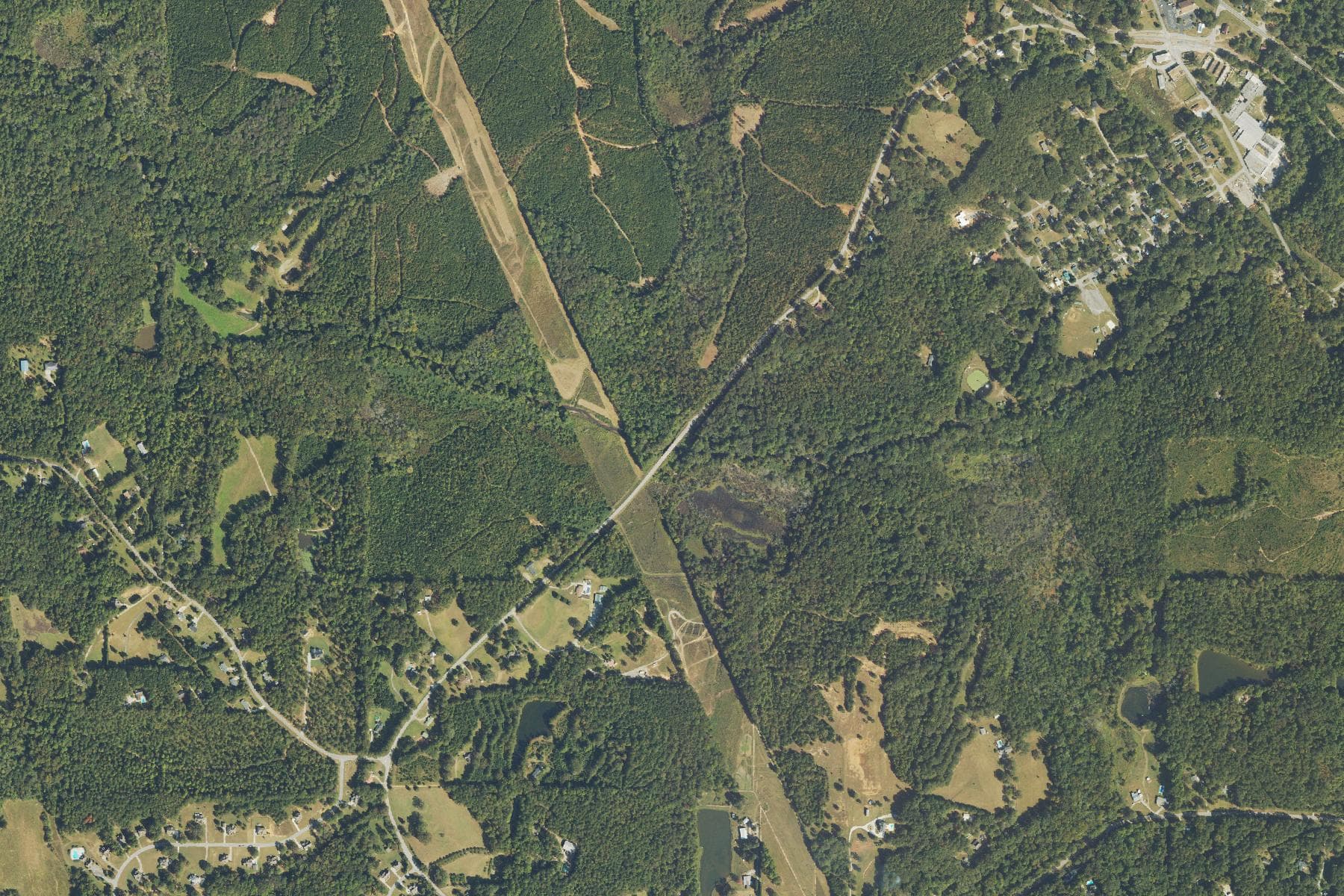
rural land rezoned for Project Sail in Sargent, Georgia, photographed 2023-10-03. Rural Coweta County around Sargent Road, inside a state-designated groundwater recharge area, where the county approved the Project Sail rezoning. The tract holds about 103 acres of wetlands.
USDA Farm Service Agency / USGS National Map, National Agriculture Imagery Program. Cropped from NAIP 0.6 m aerial imagery, scene m_3308433_se_16_060_20231003. (original)
Case facts
Active litigation
- Status
- Pending, Coweta County Superior Court
- Case
- Seventeen residents, farmers, and landowners v. Coweta County and Atlas Development LLC
- Court
- Coweta County Superior Court, Georgia
- Filed
- May 2026
- Project
- Project Sail, a $17 billion hyperscale data center campus near Sargent Road
- Land at stake
- Rural conservation land inside a state-designated Most Significant Groundwater Recharge Area, with roughly 103 acres of wetlands
- Relief sought
- Void the rezoning from rural conservation to industrial
Key Takeaways
- In May 2026, seventeen Coweta County residents, farmers, and landowners sued the county and Atlas Development LLC in Coweta County Superior Court to void the rezoning that cleared the way for Project Sail, a $17 billion hyperscale data center campus near Sargent Road.
- The land sits inside a state-designated Most Significant Groundwater Recharge Area and includes roughly 103 acres of wetlands, which is central to why neighbors say industrial use does not belong there.
- The suit claims the county violated its own procedural rules and Georgia rezoning law, including allowing the application to be amended after a December 2025 ordinance change without a new Development of Regional Impact study.
- The case follows the playbook that voided the Prince William Digital Gateway rezoning in Virginia: attack the process, not just the project.
- The case is pending as of August 2026.
In this article
Can neighbors undo a data center rezoning after the county has already said yes? That is the question seventeen Coweta County residents, farmers, and landowners put to a Georgia judge in May 2026, when they sued Coweta County and Atlas Development LLC in Coweta County Superior Court. Their goal is direct: void the rezoning that converted rural conservation land near Sargent Road into industrial land for Project Sail, a $17 billion hyperscale data center campus. The land sits inside a state-designated Most Significant Groundwater Recharge Area and holds roughly 103 acres of wetlands, and the plaintiffs say the county broke its own procedural rules and state rezoning law to get the deal done. The case is pending.
What Project Sail is and where it would sit
Project Sail is a proposed $17 billion hyperscale data center campus planned for rural land near Sargent Road in Coweta County, southwest of Atlanta. To build it, the developer, Atlas Development LLC, needed the county to rezone land that had been designated for rural conservation into an industrial classification.
The location is what turned a land use question into a groundwater question. The site sits inside an area the state has designated a Most Significant Groundwater Recharge Area, the kind of land where rain filters down to replenish the aquifers that feed wells and streams. The property also includes roughly 103 acres of wetlands. For the farmers and rural landowners around Sargent Road, many of whom depend on wells and working land, putting a hyperscale industrial campus on top of a recharge area is not an abstract policy debate. It is a question about what comes out of their taps and what happens to the land their livelihoods sit on.
Coweta is part of a larger Georgia story. The state is now a top-five data center market, and the fights have followed the growth: well-water complaints around Meta's campus on the Newton and Morgan county line, a threatened suit in Fayette County that ended when the developer withdrew, and a moratorium bill in the legislature. Coweta is where a Georgia community actually filed.
The lawsuit: attacking the process, not just the project
The complaint, filed in May 2026 by seventeen residents, farmers, and landowners, asks the Superior Court to void the rezoning outright. The plaintiffs do not have to convince the judge that data centers are bad neighbors. They have to convince the judge that the county did not follow the law when it approved this one.
Two kinds of claims anchor the case:
- The county violated its own procedural rules. Local governments are bound by their own zoning ordinances and procedures. When a county skips or bends its own required steps, the resulting approval is vulnerable.
- The county violated Georgia rezoning law. State law layers additional requirements on top of local procedure, and the plaintiffs say the county fell short of those too.
The most specific allegation involves timing. According to the suit, the rezoning application was amended after a December 2025 ordinance change, and the county allowed that amended application to proceed without a new Development of Regional Impact study, the regional review Georgia uses for projects big enough to affect more than one community. A $17 billion campus is exactly the kind of project that review exists for, and the plaintiffs say approving an amended application without redoing it broke the rules.
The groundwater stakes
The recharge-area designation matters legally and practically. Practically, construction and industrial operation on recharge land raise the risk that grading, impervious surfaces, and site runoff change how water moves into the aquifer that surrounding wells draw from. The roughly 103 acres of wetlands on the property do similar work, filtering and holding water for the land around them.
Legally, the designation strengthens the plaintiffs' argument that this land was zoned for rural conservation for a reason, and that converting it to industrial use was not a routine map change but a decision with regional consequences, the kind that Georgia's Development of Regional Impact process is meant to surface before a vote rather than after.
Georgia neighbors have seen what happens when the water questions get answered after the fact. Around Meta's campus at Stanton Springs, homeowners reported failed and sediment-filled wells after construction, and it took until late August 2026 for four families to sue, with the operator's own study already on record concluding the facility was likely not the cause. The Coweta plaintiffs are litigating before the concrete is poured.
Where the case stands
As of late August 2026, the case is pending in Coweta County Superior Court. No ruling has been reported on the merits.
What to watch: whether the court agrees that the amended application required a fresh Development of Regional Impact study, and whether any procedural defect the plaintiffs prove is the kind that voids the approval rather than just embarrassing the county. If the rezoning is voided, the project does not necessarily die, but the developer and the county would have to start the approval process again in public, under scrutiny, and with the litigation record following them. That is exactly what happened after the Bessemer, Alabama rezoning challenge and the Digital Gateway ruling in Virginia.
What this case means if you live near a proposed data center
Coweta is a live demonstration of the most reliable path for neighbors who want to stop or reshape a data center: sue on process, and sue fast. If you are facing a similar rezoning:
- Get the file. The application, every amendment, the notices, the staff reports, and the hearing record are public. Amendments made late in the process, like the one at the center of this suit, are where defects hide.
- Check the special designations. Recharge areas, wetlands, floodplains, and conservation overlays each carry their own review requirements. A skipped study is a claim.
- Mind the clock. Zoning appeals run on short deadlines, often measured in weeks from the approval, and a missed deadline usually ends the case before it starts. This is governed by your state's version of a statute of limitations and local appeal rules, and an attorney will confirm yours.
- Organize like Coweta did. Seventeen named plaintiffs with real property interests near the site is a strong posture on standing, and it spreads the cost and the pressure.
If a data center project near you was approved in a way that looks rushed or irregular, a free intake form lets you tell us what is happening; where a participating attorney who handles these matters is available, we may share your information with them with your consent, but we cannot promise that anyone will contact you. You can also read our guide on how to fight a proposed data center and what deadlines apply.
Frequently asked questions
What is the Project Sail lawsuit in Coweta County?
In May 2026, seventeen residents, farmers, and landowners sued Coweta County and Atlas Development LLC in Coweta County Superior Court. They ask the court to void the rezoning of rural conservation land near Sargent Road for Project Sail, a $17 billion hyperscale data center campus, arguing the county violated its own procedural rules and Georgia rezoning law.
Why are Coweta County residents suing over the data center?
The site sits inside a state-designated Most Significant Groundwater Recharge Area and includes roughly 103 acres of wetlands. Plaintiffs say the county approved the industrial rezoning improperly, including allowing the application to be amended after a December 2025 ordinance change without a new Development of Regional Impact study.
Is the Coweta County data center lawsuit still active?
Yes. As of August 2026 the case is pending in Coweta County Superior Court and no ruling on the merits has been reported.
Can a data center rezoning be reversed in Georgia?
Courts can void a rezoning when the local government failed to follow its own procedures or state rezoning law. That is the theory in the Coweta case, and it is how the Prince William Digital Gateway rezoning was voided in Virginia. Deadlines to challenge a zoning decision are short, so affected neighbors should talk to an attorney quickly.
Article sources
Our editorial standards require primary sources: government publications, regulator data, company filings, and established industry research.
- 1.The Citizen: Coweta residents sue to block Project Sail data center (May 11, 2026)
- 2.CBS News Atlanta: Coweta County residents file appeal to stop massive data center on protected rural land
- 3.11Alive: Coweta County data center project lawsuit
- 4.Fortune: Data center water wars in Georgia and Arizona (May 13, 2026)
Related cases
- The Prince William Digital Gateway Lawsuit: How a Notice Defect Voided the World's Biggest Data Center Project
Preservationists and Oak Valley residents sued Prince William County in January 2024 over the Digital Gateway rezonings. A circuit judge voided the approvals on defective public notice, the Virginia Court of Appeals affirmed, Compass and the county walked away, and on July 2, 2026 QTS withdrew its final appeal at the Supreme Court of Virginia and said it was terminating the project. Full history and what it teaches every community fighting a data center.
- Georgia Families Sue Meta Over Their Wells: The Newton County Data Center Water Lawsuit
After more than a year of muddy wells, petitions, and a congressional visit, four Newton County families sued Meta and the local development authority in late August 2026, alleging that clearing, blasting, and excavation for the Stanton Springs data center disturbed the aquifer and filled their well water with silt. What the suit says, what Meta says, and what it means for every homeowner on a well near a data center site.
- Bessemer's Project Marvel Lawsuit: How a Dismissed Case Still Forced a Do-Over
Homeowners near Rock Mountain Lake Road sued Bessemer, Alabama in April 2025 over the rezoning for Project Marvel, a $14.5 billion, 18-building data center campus. A TRO blocked the council vote, the city restarted the process, and the case was dismissed by joint stipulation on June 22, 2026. What the case won even in losing.
- Festus, Missouri: The Sunshine Law Lawsuit Over a $6 Billion Data Center
Wake Up JeffCo and four property owners filed a 12-count, 54-page lawsuit against the City of Festus and developer CRG over a $6 billion data center, alleging Missouri Sunshine Law violations including serial private briefings and a development agreement released the Friday before a Monday vote. The suit seeks to void the rezoning and the development contract.
Is a data center disrupting your home?
Tell us what is happening. Where a participating attorney who handles data center cases in your state is available, we may share your information with them with your consent. It is free and carries no obligation, but we cannot promise that anyone will contact you.
- Tell us about your situation
- Independent attorneys
- No obligation
Attorney or law firm handling data center matters? Speak with us