Lawsuit Tracker
The Prince William Digital Gateway Lawsuit: How a Notice Defect Voided the World's Biggest Data Center Project
Preservationists and Oak Valley residents sued Prince William County in January 2024 over the Digital Gateway rezonings. A circuit judge voided the approvals on defective public notice, the Virginia Court of Appeals affirmed, Compass and the county walked away, and on July 2, 2026 QTS withdrew its final appeal at the Supreme Court of Virginia and said it was terminating the project. Full history and what it teaches every community fighting a data center.
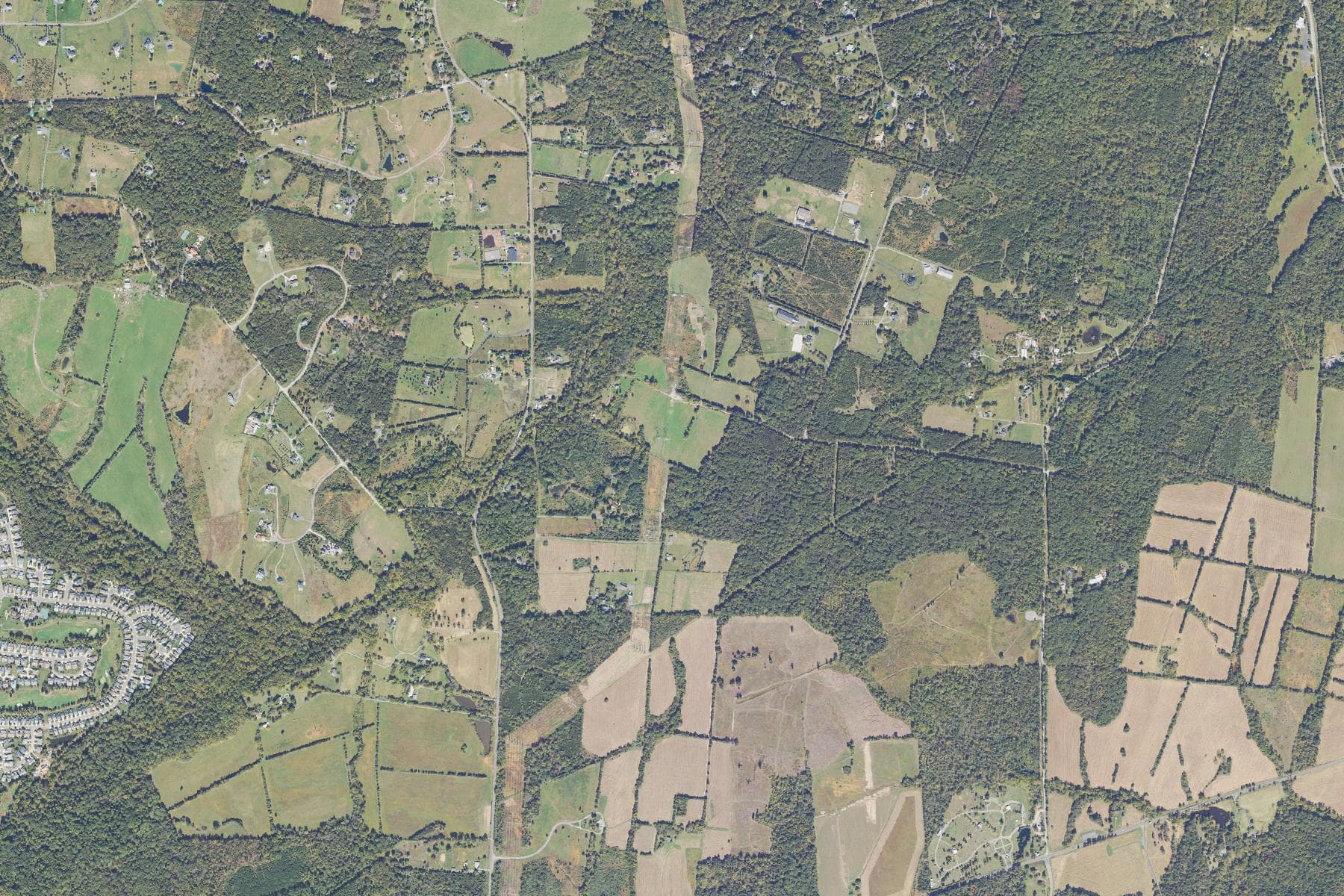
Digital Gateway rezoning corridor in Gainesville, Virginia, photographed 2023-10-11. The Pageland Lane corridor beside Manassas National Battlefield Park. The rezonings covering these 2,139 acres were voided and the final appeal withdrawn in July 2026, so what the frame shows is what remains.
USDA Farm Service Agency / USGS National Map, National Agriculture Imagery Program. Cropped from NAIP 0.6 m aerial imagery, scene m_3807712_ne_18_060_20231011. (original)
Case facts
Plaintiff win
- Status
- Concluded: rezonings void, final appeal withdrawn July 2, 2026
- Case
- American Battlefield Trust, Oak Valley residents, and allies v. Prince William County
- Court
- Prince William County Circuit Court; affirmed by the Virginia Court of Appeals March 31, 2026; final appeal withdrawn at the Supreme Court of Virginia
- Filed
- January 2024
- Project
- PW Digital Gateway: 22M+ sq ft of data centers on roughly 2,000 acres along Pageland Lane near the Manassas battlefield, for QTS and Compass Datacenters
- Key ruling
- August 2025: Judge Kimberly Irving voided the December 2023 rezonings for legally defective public notice; affirmed by the Virginia Court of Appeals in March 2026
- Outcome
- Compass dropped its appeal and the county exited in April 2026; QTS withdrew its Supreme Court of Virginia appeal on July 2, 2026, stating it had decided to terminate the Digital Gateway project
Key Takeaways
- The Digital Gateway was the largest proposed data center campus in the world: more than 22 million square feet planned on roughly 2,000 acres next to the Manassas battlefield.
- In August 2025, Circuit Judge Kimberly Irving voided the December 2023 rezoning approvals because the public notice for the hearing was legally defective, and the Virginia Court of Appeals affirmed in March 2026.
- By April 2026 the project's momentum had collapsed: Compass Datacenters dropped its appeal and Prince William County, which had spent more than $400,000 on outside counsel, exited the case.
- On July 2, 2026, QTS withdrew its final appeal at the Supreme Court of Virginia and announced it was terminating the Digital Gateway project. The rezonings stay void and the campus will not be built.
- The case is the clearest proof in the country that procedural and notice defects can kill even the biggest, best-funded data center projects.
In this article
Can a paperwork problem stop a multibillion dollar data center campus? In Prince William County, Virginia, it already has. In January 2024, the American Battlefield Trust, residents of the Oak Valley neighborhood, and allied groups sued the county over its December 2023 approval of the PW Digital Gateway, the largest proposed data center campus in the world. They did not win by proving the project was too loud, too thirsty, or too ugly. They won, so far, by proving the county botched the legally required public notice for the hearing where the rezonings passed. A circuit judge voided the approvals in August 2025, the Virginia Court of Appeals affirmed in March 2026, and today only one developer's appeal to the Supreme Court of Virginia keeps the project's legal hopes alive.
The biggest data center project in the world
The PW Digital Gateway proposed more than 22 million square feet of data center development across roughly 2,000 acres along Pageland Lane near Gainesville, on land bordering the Manassas battlefield. In December 2023, the Prince William Board of County Supervisors approved rezonings for two developers, QTS and Compass Datacenters, clearing the way for construction.
Opposition had been building for years. The site sits beside one of the most storied Civil War landscapes in the country, and residents of nearby neighborhoods like Oak Valley faced the prospect of living next to an industrial corridor of a scale no American community had ever absorbed. Northern Virginia is already the largest data center market in the world, with neighboring Loudoun County known as Data Center Alley, so the fight was never about whether the region would host data centers. It was about whether a project of this magnitude could be pushed through next to a battlefield and established neighborhoods, and whether the process that approved it followed the law.
In January 2024, the American Battlefield Trust, Oak Valley residents, and allied groups filed suit against Prince William County challenging the December 2023 approvals. The coalition itself was notable: a national preservation organization with resources and staying power, joined by the neighbors who would live with the project, the same pairing of institutional and individual plaintiffs that has anchored durable data center challenges elsewhere.
How a notice defect voided the rezonings
The challengers' winning argument was procedural. Virginia law spells out how the public must be notified before a rezoning hearing, and the plaintiffs argued the notice for the December 2023 hearing did not meet those requirements. In August 2025, Circuit Judge Kimberly Irving agreed and voided the rezonings: the public notice was legally defective, so the approvals built on it could not stand.
That single ruling erased, at least on paper, the largest data center approval in history. It did not weigh the merits of the project at all. It said the process was broken, and in land use law, a broken process can be fatal.
The appeals: affirmed, abandoned, and withdrawn
The developers and the county appealed, and in March 2026 the Virginia Court of Appeals affirmed Judge Irving's ruling. Within weeks the coalition defending the project began to dissolve. In April 2026, Compass Datacenters dropped its appeal. Prince William County, which reporting shows had spent more than $400,000 on outside counsel defending the approvals, exited the fight as well.
That left QTS standing alone. In May 2026 the company appealed to the Supreme Court of Virginia, the last stop available, filing within hours of the deadline. Two months later it gave up. On July 2, 2026, QTS withdrew the appeal in a written filing that said the company had decided, after careful consideration, to terminate the Digital Gateway project and withdraw its associated filings. With no appeal left, the rezonings stay void and the largest proposed data center campus in the world will not be built.
The lesson: procedural defects kill the biggest projects
The Digital Gateway litigation is now the reference case for a hard truth about data center fights: the size of the project does not insulate it from the smallest defect in the process that approved it. The plaintiffs here did not need to out-spend two national developers and a county government. They needed to show that one legally required step, adequate public notice, was skipped or done wrong.
The same pattern runs through data center challenges nationwide. The Warrenton Amazon case turns on whether a zoning text amendment was properly adopted. The Festus, Missouri suit is built on alleged open meetings law violations. When a local government rushes a data center approval, the rush itself often creates the legal opening. Residents who show up early, request records, and document every step of the process are building the record a lawyer will later need.
For communities earlier in the fight, our guide on how to fight a proposed data center walks through the approval stages where these defects tend to appear.
What the Digital Gateway case means for you
If a data center has been approved near you and the process felt rushed or opaque, the Digital Gateway case shows the approval may be more vulnerable than it looks. A few practical points:
- Deadlines are short. Challenges to zoning decisions typically must be filed quickly, often within weeks or a few months of the approval depending on the state and the type of claim. An attorney will confirm the deadline that applies to you. Our overview of data center lawsuit deadlines explains why moving fast matters.
- Collect the paper trail. Hearing notices, agendas, meeting minutes, and the published legal ads are all public records, and they are exactly where notice defects hide.
- You do not need to prove harm to void a defective approval. Procedural claims stand on the process itself, though nuisance and damages claims may also be available once a facility is built and operating.
If you live near an approved or proposed data center and want to understand your options, a free intake form lets you tell us what is happening; where a participating attorney who handles these matters is available, we may share your information with them with your consent, but we cannot promise that anyone will contact you.
Frequently asked questions
What is the Prince William Digital Gateway lawsuit?
It is a January 2024 lawsuit by the American Battlefield Trust, Oak Valley residents, and allied groups challenging Prince William County's December 2023 rezoning approvals for the PW Digital Gateway, a proposed 22 million plus square foot data center campus near the Manassas battlefield. A circuit judge voided the rezonings in August 2025 because the public notice for the hearing was legally defective, and the Virginia Court of Appeals affirmed in March 2026.
Is the Digital Gateway data center project dead?
Yes. The rezonings were voided in August 2025, the Virginia Court of Appeals affirmed on March 31, 2026, Compass Datacenters and Prince William County exited the case in April 2026, and on July 2, 2026 QTS withdrew its final appeal at the Supreme Court of Virginia and stated it was terminating the project. Nothing remains pending.
Why were the Digital Gateway rezonings overturned?
Because of defective public notice. Circuit Judge Kimberly Irving ruled in August 2025 that the legally required public notice for the December 2023 rezoning hearing did not comply with Virginia law, which made the approvals themselves invalid. The court did not need to reach the merits of the project.
Can a data center rezoning be overturned because of bad public notice?
Yes. The Digital Gateway case shows that defective notice can void a rezoning entirely, even for the largest project in the world, and the ruling survived appeal. Notice and other procedural requirements vary by state, so an attorney would need to review the specific approval in your community.
Article sources
Our editorial standards require primary sources: government publications, regulator data, company filings, and established industry research.
- 1.Prince William Times: Judge overturns Prince William Digital Gateway (August 2025)
- 2.WTOP: Digital Gateway data center project dies after final developer withdraws appeal (July 2026)
- 3.Virginia Business: Virginia Appeals Court upholds block on Prince William Digital Gateway project (March 2026)
- 4.Technical.ly: Digital Gateway data center battle heads to Virginia Supreme Court
- 5.WTOP: Developers drop appeal of zoning decision on Digital Gateway project (April 2026)
- 6.Williams Mullen: How notice defects could invalidate rezoning
- 7.Piedmont Environmental Council: Statement on Digital Gateway legal win
Related cases
- Citizens for Fauquier County v. Town of Warrenton: The Three Year Fight Over Amazon's Warrenton Data Center
Citizens for Fauquier County and ten residents sued the Town of Warrenton in March 2023 over a 4-3 council approval of a 220,000 square foot Amazon data center, arguing the underlying 2021 zoning text amendment was improperly adopted and the permit is void. After a March 2026 trial and final arguments in June, the case awaits a ruling from Judge Stephen Sincavage.
- Great Oak v. the Hum: How Manassas Neighbors Beat Amazon Data Center Noise Without Filing a Lawsuit
Roughly 300 homes in the Great Oak neighborhood of Manassas, Virginia sit about 600 feet from AWS data centers that began generating constant mechanical noise in 2022. Residents documented likely exceedances of the county's 60 dB daytime ordinance, and sustained pressure plus county-backed noise studies produced Amazon engineering fixes that cut roughly 10 dB. No lawsuit was ever filed. What ordinance pressure can win, and when a lawsuit becomes the next step.
- Festus, Missouri: The Sunshine Law Lawsuit Over a $6 Billion Data Center
Wake Up JeffCo and four property owners filed a 12-count, 54-page lawsuit against the City of Festus and developer CRG over a $6 billion data center, alleging Missouri Sunshine Law violations including serial private briefings and a development agreement released the Friday before a Monday vote. The suit seeks to void the rezoning and the development contract.
- Coweta County's Project Sail Lawsuit: Residents Sue to Void a $17 Billion Data Center Rezoning
Seventeen Coweta County residents, farmers, and landowners are suing the county and Atlas Development LLC to void the rezoning of rural conservation land for a $17 billion hyperscale data center campus near Sargent Road. The suit says the county broke its own rules and Georgia rezoning law. Status, claims, and what it means for neighbors.
Is a data center disrupting your home?
Tell us what is happening. Where a participating attorney who handles data center cases in your state is available, we may share your information with them with your consent. It is free and carries no obligation, but we cannot promise that anyone will contact you.
- Tell us about your situation
- Independent attorneys
- No obligation
Attorney or law firm handling data center matters? Speak with us