Lawsuit Tracker
Bessemer's Project Marvel Lawsuit: How a Dismissed Case Still Forced a Do-Over
Homeowners near Rock Mountain Lake Road sued Bessemer, Alabama in April 2025 over the rezoning for Project Marvel, a $14.5 billion, 18-building data center campus. A TRO blocked the council vote, the city restarted the process, and the case was dismissed by joint stipulation on June 22, 2026. What the case won even in losing.
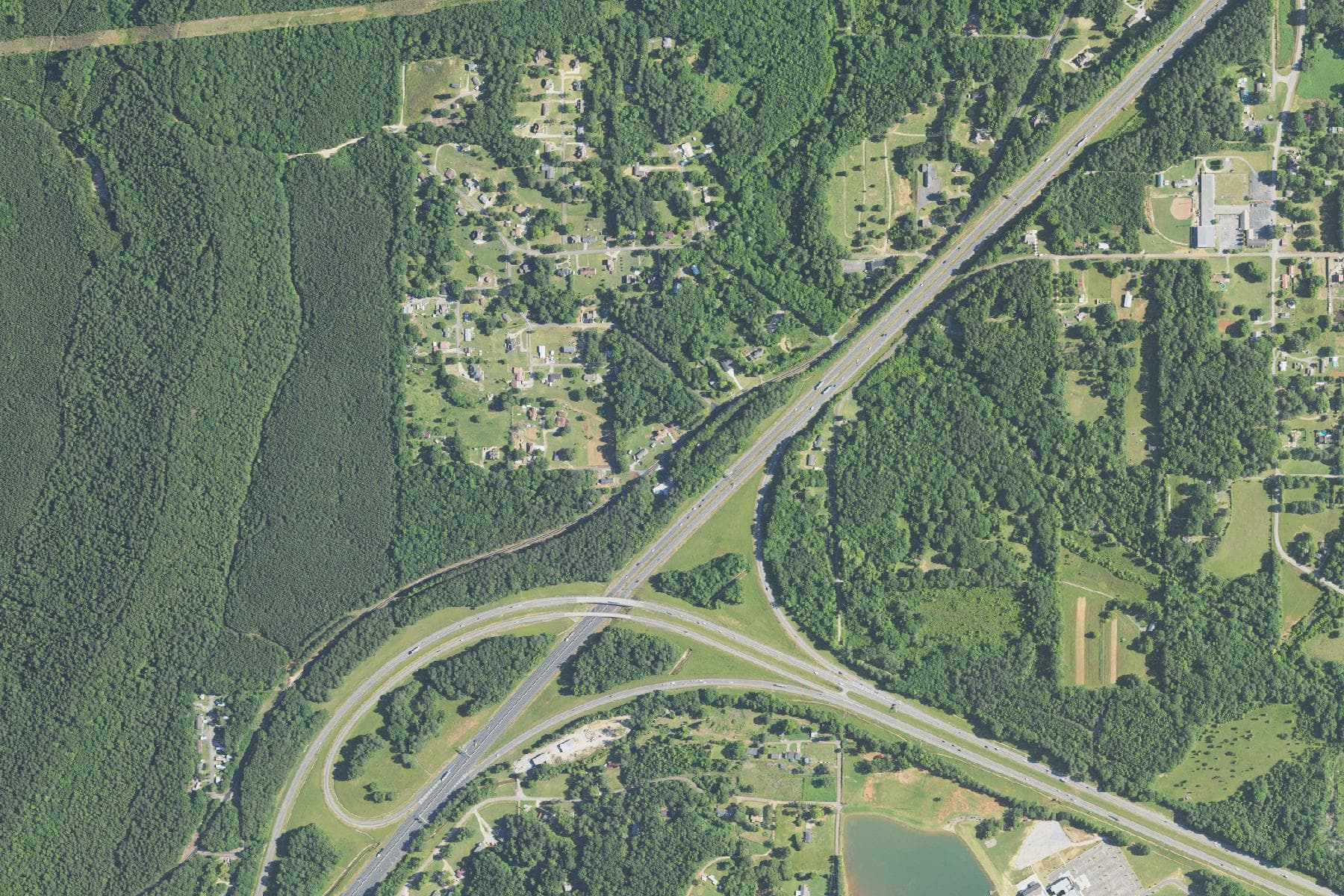
proposed data center tract in Bessemer, Alabama, photographed 2023-05-30. More than 1,600 acres of forest northwest of the Interstate 20/59 and Interstate 459 interchange, with the neighborhoods that objected along its eastern edge. The imagery predates the proposal, so the tract is shown as it stood before any clearing.
USDA Farm Service Agency / USGS National Map, National Agriculture Imagery Program. Cropped from NAIP 0.6 m aerial imagery, scene m_3308748_ne_16_060_20230530. (original)
Case facts
Dismissed
- Status
- Dismissed June 22, 2026 by joint stipulation
- Case
- Homeowners near Rock Mountain Lake Road v. City of Bessemer
- Forum
- Alabama state court
- Filed
- April 2025
- Project
- Project Marvel, a $14.5 billion, 4 million plus sq ft, 18-building data center campus
- Key early win
- TRO blocking the April 14, 2025 city council rezoning vote
- Outcome
- City restarted the rezoning process, approved November 2025; case dismissed June 22, 2026 on joint stipulation
Key Takeaways
- Homeowners near Rock Mountain Lake Road sued Bessemer in April 2025, challenging the rezoning for Project Marvel, a $14.5 billion campus of more than 4 million square feet across 18 buildings.
- They alleged arbitrary and capricious spot zoning and demanded disclosure of what city councilors actually reviewed before voting.
- A temporary restraining order blocked the city council's planned April 14, 2025 vote, forcing Bessemer to restart the rezoning process, which ended in a new approval in November 2025.
- The case was dismissed on June 22, 2026 by joint stipulation, with the Southern Environmental Law Center engaged on the opposition side.
- The lesson: even a case that ends in dismissal can force a redo, buy time, and pry records into the open.
In this article
The Bessemer, Alabama data center lawsuit is over, dismissed on June 22, 2026 by agreement of both sides, and the $14.5 billion Project Marvel campus has its rezoning. Read only the last page and it looks like a defeat for the homeowners near Rock Mountain Lake Road who filed it in April 2025. Read the whole record and it looks different. Their suit won a temporary restraining order that blocked the city council's April 14, 2025 rezoning vote, forced Bessemer to restart the approval process in public, and pressed the city over what documents councilors had actually reviewed before deciding. The final approval came in November 2025, months later and under far more scrutiny than the original. For neighbors weighing whether a long-shot zoning challenge is worth filing, Bessemer is the case that shows what losing can still buy.
Project Marvel and the neighborhood next to it
Project Marvel is one of the largest data center proposals in the Southeast: a $14.5 billion campus of more than 4 million square feet spread across 18 buildings in Bessemer, southwest of Birmingham. For the homeowners near Rock Mountain Lake Road, the project meant an industrial complex of extraordinary scale rising next to a quiet residential and lakeside area.
To proceed, the developer needed Bessemer to rezone the land. As the city council moved toward a vote in spring 2025, neighbors concluded the process was being rushed past them, and in April 2025 they went to court.
The scale numbers explain the urgency. Eighteen buildings and more than 4 million square feet is not one warehouse on the edge of town. It is a permanent industrial district, with the construction traffic, around-the-clock operations, and infrastructure demands that come with a $14.5 billion investment. Once a rezoning like that is final and construction begins, the practical leverage of nearby homeowners drops to nearly zero, which is why the neighbors' decision to sue before the vote, rather than after, shaped everything that followed.
The claims: spot zoning and a demand to see the file
The homeowners' complaint pressed two ideas. First, that the rezoning was arbitrary and capricious spot zoning: singling out a parcel for treatment inconsistent with the surrounding area and the city's own plan, to benefit a particular developer rather than the public. Spot zoning is one of the oldest and most durable attacks on a rezoning, because it goes to whether the decision was reasoned at all.
Second, disclosure. The plaintiffs demanded to know what materials city councilors had actually reviewed before voting on a $14.5 billion land use decision. That demand did real work: reporting at the time noted the lawsuit might force the city to share the documents councilors saw ahead of the vote. Whatever happened on the merits, the neighbors were using the case to drag the decision-making record into daylight.
The opposition had institutional help: the Southern Environmental Law Center engaged on the residents' side of the fight, a signal that regional environmental litigators saw Bessemer as part of the larger Southeast data center land rush.
The TRO, the restart, and the second approval
The suit's high-water mark came fast. The court entered a temporary restraining order that blocked the city council's planned April 14, 2025 rezoning vote. For a case like this, that is the whole ballgame in miniature: a judge found enough substance in the neighbors' process complaints to stop the city from voting on schedule.
Rather than litigate the defects, Bessemer restarted the rezoning process. The do-over ran through 2025 with the public watching, and the council granted final approval of the Project Marvel rezoning in November 2025. With a completed second process on the books, the litigation had spent its leverage, and on June 22, 2026 the parties filed a joint stipulation of dismissal, ending the case by agreement rather than by ruling.
The lesson: a dismissed case that changed the process
Measured by the docket, the homeowners lost: the campus is approved and the case is dismissed. Measured by what the suit actually did, the ledger reads differently.
- It stopped a vote. The TRO blocked the April 2025 approval and proved the original process could not survive a first look from a judge.
- It forced a redo in public. The city restarted rezoning and took seven more months to get to approval, under press attention and with SELC engaged.
- It pressed the records question. The demand to see what councilors reviewed made transparency itself a live issue in the case.
Compare the pending challenges in Coweta County, Georgia and Festus, Missouri, which use the same process-first strategy, and the Prince William Digital Gateway case in Virginia, where a notice defect actually voided the approvals. Bessemer sits in the middle of that spectrum: the process attack worked well enough to force a lawful do-over, and the do-over then produced the same answer. That is a real possible outcome, and honest planning for a zoning fight has to include it.
What this case means for you if a mega-campus is coming to your block
Bessemer's neighbors did almost everything right, quickly: they filed before the vote, sought emergency relief, and aimed at the process rather than the policy. If a similar project is moving near you, their case suggests a realistic strategy:
- File before the vote if you can. A TRO blocking an approval is far more powerful than a suit trying to unwind one. Timing is everything, and the window is short.
- Ask what the decision-makers reviewed. Records demands paired with litigation put real pressure on a city, and what is in, or missing from, the file can become your best evidence.
- Define success honestly. A suit can kill a project, force a redo, win concessions, or buy time for political organizing. Bessemer got the redo and the time. Know which outcomes you would accept before you file.
If a data center rezoning near you is moving fast or was approved on a thin public record, a free intake form lets you tell us what is happening; where a participating attorney who handles these matters is available, we may share your information with them with your consent, but we cannot promise that anyone will contact you. Our guides on fighting a proposed data center and lawsuit deadlines cover the moves that matter most before the vote.
Frequently asked questions
What was the Bessemer Project Marvel lawsuit?
In April 2025, homeowners near Rock Mountain Lake Road sued the City of Bessemer, Alabama over the rezoning for Project Marvel, a $14.5 billion, 18-building data center campus of more than 4 million square feet. They alleged arbitrary and capricious spot zoning and demanded disclosure of what councilors reviewed before voting.
Was the Bessemer data center lawsuit dismissed?
Yes. The case was dismissed on June 22, 2026 by joint stipulation of the parties. Before that, a temporary restraining order had blocked the city council's April 14, 2025 vote, and the city restarted the rezoning process, granting final approval in November 2025.
Did the lawsuit stop the Project Marvel data center?
No, but it changed the process. The TRO blocked the original vote and forced Bessemer to redo the rezoning in public over several months. The council approved the project again in November 2025, and the case ended by agreement in June 2026.
What is spot zoning and why did it matter in Bessemer?
Spot zoning is rezoning a parcel in a way that is inconsistent with the surrounding area and the government's own plan, typically to benefit a specific developer. The Bessemer homeowners argued the Project Marvel rezoning was arbitrary and capricious spot zoning, which is a classic ground for asking a court to strike down a land use approval.
Article sources
Our editorial standards require primary sources: government publications, regulator data, company filings, and established industry research.
- 1.WBRC: Bessemer data center rezoning lawsuit dismissed (June 25, 2026)
- 2.WBRC: Bessemer data center approved; lawsuit might force city to share documents councilors reviewed ahead of vote (Dec 2025)
- 3.Inside Climate News: Bessemer, Alabama's proposed data center (May 2025)
- 4.SELC: Bessemer City Council greenlights controversial data center rezoning
Related cases
- Coweta County's Project Sail Lawsuit: Residents Sue to Void a $17 Billion Data Center Rezoning
Seventeen Coweta County residents, farmers, and landowners are suing the county and Atlas Development LLC to void the rezoning of rural conservation land for a $17 billion hyperscale data center campus near Sargent Road. The suit says the county broke its own rules and Georgia rezoning law. Status, claims, and what it means for neighbors.
- The Prince William Digital Gateway Lawsuit: How a Notice Defect Voided the World's Biggest Data Center Project
Preservationists and Oak Valley residents sued Prince William County in January 2024 over the Digital Gateway rezonings. A circuit judge voided the approvals on defective public notice, the Virginia Court of Appeals affirmed, Compass and the county walked away, and on July 2, 2026 QTS withdrew its final appeal at the Supreme Court of Virginia and said it was terminating the project. Full history and what it teaches every community fighting a data center.
- Festus, Missouri: The Sunshine Law Lawsuit Over a $6 Billion Data Center
Wake Up JeffCo and four property owners filed a 12-count, 54-page lawsuit against the City of Festus and developer CRG over a $6 billion data center, alleging Missouri Sunshine Law violations including serial private briefings and a development agreement released the Friday before a Monday vote. The suit seeks to void the rezoning and the development contract.
Is a data center disrupting your home?
Tell us what is happening. Where a participating attorney who handles data center cases in your state is available, we may share your information with them with your consent. It is free and carries no obligation, but we cannot promise that anyone will contact you.
- Tell us about your situation
- Independent attorneys
- No obligation
Attorney or law firm handling data center matters? Speak with us