Lawsuit Tracker
Project Blue in Pima County: The Open Meetings Suit Over a Data Center Tucson Rejected
After the Tucson City Council rejected the $3.6 billion Project Blue data center campus in August 2025, the Pima County Board of Supervisors approved a roughly 300 acre land sale for $20.875 million plus rezoning. Opponents sued the county in January 2026 alleging open meeting law violations, including an undisclosed rezoning purpose and land sale negotiations kept secret from 2023 to 2025. The Superior Court dismissed the case in April 2026; plaintiffs say they will appeal.
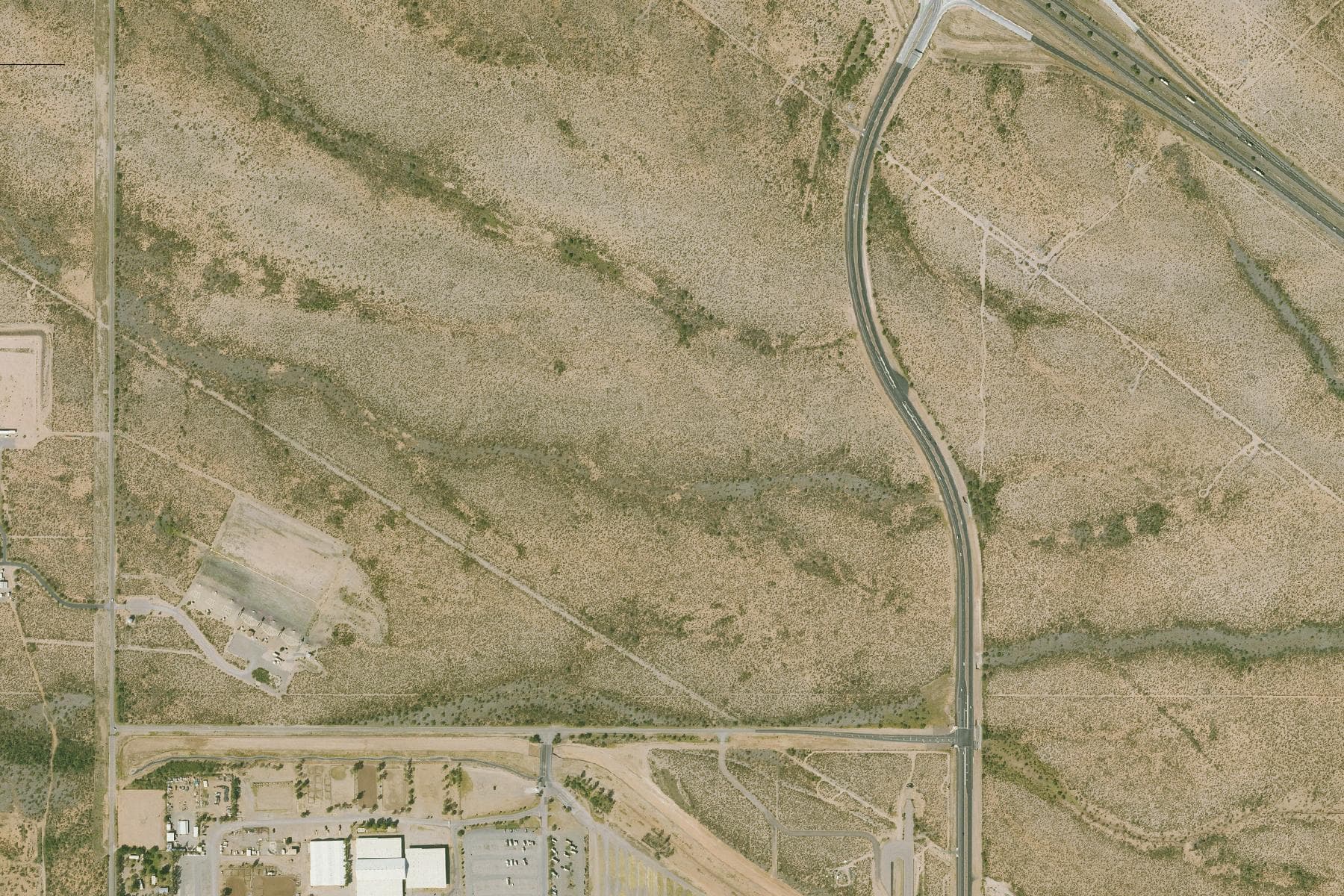
proposed data center site in Tucson, Arizona, photographed 2023-10-15. The 290 acres north of the Pima County Fairgrounds, west of Houghton Road, as the desert stood before grading began. In a county arguing about water, what the land was is part of the argument.
USDA Farm Service Agency / USGS National Map, National Agriculture Imagery Program. Cropped from NAIP 0.3 m aerial imagery, scene m_3211058_se_12_030_20231015. (original)
Case facts
Dismissed
- Status
- Dismissed April 2026, appeal expected
- Case
- Project Blue opponents v. Pima County and its Planning and Zoning Commission
- Court
- Pima County Superior Court, Arizona
- Filed
- January 2026
- Project
- Project Blue, $3.6 billion data center campus; county land sale of roughly 300 acres for $20.875 million plus rezoning
- Theory
- Arizona open meeting law: undisclosed rezoning purpose, secret land sale negotiations from 2023 to 2025
- Outcome
- Dismissed April 2026; plaintiffs stated intent to appeal
Key Takeaways
- The Tucson City Council rejected the $3.6 billion Project Blue data center campus in August 2025, but the Pima County Board of Supervisors approved a sale of roughly 300 acres of county land for $20.875 million along with rezoning.
- In January 2026, opponents sued Pima County and its Planning and Zoning Commission alleging violations of Arizona's open meeting law: the rezoning's true purpose was never disclosed, and land sale negotiations ran in secret from 2023 to 2025.
- The Pima County Superior Court dismissed the case in April 2026. The plaintiffs stated they intend to appeal.
- A separate citizen route was cut off when Marana refused to process referendum signatures against the project, ending the ballot challenge.
- The case shows both the promise and the limits of transparency claims: they are often the only available theory, and they can lose at the trial court even on striking facts.
In this article
The Project Blue lawsuit is what happens when a community says no to a data center and the project finds another door. In August 2025, the Tucson City Council rejected the $3.6 billion campus. The Pima County Board of Supervisors then approved a sale of roughly 300 acres of county land for $20.875 million, along with the rezoning the project needed. In January 2026, opponents sued the county and its Planning and Zoning Commission, alleging Arizona's open meeting law had been violated along the way: the rezoning's real purpose was never disclosed to the public, they argued, and the land sale had been negotiated in secret from 2023 to 2025. In April 2026 the Pima County Superior Court dismissed the case. The plaintiffs say they will appeal, and with Marana refusing to process referendum signatures against the project, the appeal is the opposition's last active legal track.
How Project Blue survived a city's rejection
Project Blue was pitched as a $3.6 billion data center campus in the Tucson area, and it collided with a desert region's sharpest anxieties: water, power, and secrecy. Opponents packed hearings, and in August 2025 the Tucson City Council rejected the project.
That rejection did not end Project Blue. The project's path shifted to Pima County, which controlled land outside the city's reach. The county Board of Supervisors approved selling roughly 300 acres of county land to the project for $20.875 million and approved the rezoning needed to build. A development one elected body had voted down was revived by another, and residents who thought they had won discovered the decision had simply moved to a different room.
Arizona has been living with the data center question longer than most states. In Chandler, years of complaints about the constant hum from a roughly one million square foot CyrusOne campus led to mitigation in 2018 and then, in late 2022, to the nation's first data center noise ordinance, with baseline acoustic studies, a paid noise liaison, and years of required follow-up monitoring. Chandler went on to reject a subsequent data center proposal in 2025. The Tucson region's fight over Project Blue is the next chapter of that same statewide story, except this time the disagreement is not about decibels. It is about who got to see the deal.
The open meetings lawsuit
In January 2026, project opponents filed suit in Pima County Superior Court against the county and its Planning and Zoning Commission. The complaint rested on Arizona's open meeting law and made two central allegations. First, that the purpose behind the rezoning was never disclosed: the public process moved forward without residents being told what the land was actually for. Second, that negotiations over the county land sale had been conducted in secret over roughly two years, from 2023 to 2025, before surfacing for approval.
The remedy sought in cases like this is structural: if the approvals were the product of an unlawful process, the approvals themselves should fall, forcing the county to redo the decision in public. Opponents were not asking a judge to rule that a data center is bad for Tucson. They were asking the court to rule that the public was entitled to watch the deal being made.
Dismissal, the coming appeal, and the blocked referendum
In April 2026, the Pima County Superior Court dismissed the lawsuit. The plaintiffs immediately stated their intent to appeal, which is why this case is tracked as dismissed but not finished: an Arizona appellate court may yet review how the open meeting law applies to the county's handling of the rezoning and the land sale, and an appellate ruling either way would bind every county in the state.
The court fight also has to be read alongside what happened to the ballot box alternative. Opponents gathered referendum signatures to put project approvals to a public vote, and the Town of Marana refused to process them, ending that route. With the city rejection bypassed, the referendum blocked, and the trial court dismissal in hand, the appeal is effectively the last legal lever the opposition holds.
That combination, a project rejected by one government, approved by another, and insulated from a public vote, is why Project Blue has become a national reference point in the debate over how data center deals get made. It sits alongside the Saline Township case in Michigan, where a township that voted no was sued by the developer and settled, as evidence that the formal public process captures only part of how these projects actually advance.
What Project Blue means for residents fighting a data center approval
For residents elsewhere, the Pima County fight offers hard-won guidance:
- Map every government with power over the site. A city rejection is not the end if a county, a town, or a state agency can deliver the land, the zoning, or the permits. Know all the doors before celebrating one closed door.
- File public records requests early. The secrecy allegations at the heart of this suit concern negotiations running years before any public vote. Records requests during the rumor stage, not after approval, are how residents build a transparency case that can survive a motion to dismiss.
- Expect the referendum route to be contested. Signature drives against development approvals frequently die on procedural rulings, as Marana's refusal shows. Treat a referendum as one track, never the only track.
- Losses at the trial court are not always the end. The pending appeal here, like the appellate wins in Virginia's Digital Gateway litigation, is a reminder that data center process law is being made right now, court by court, and that an early dismissal does not settle what the law requires of officials the next time.
Process challenges run on short clocks and technical rules, and they are unforgiving of delay. If a data center deal near you is moving through approvals you suspect were negotiated out of public view, our guide to fighting a proposed data center covers the toolbox, and a free intake form lets you tell us what is happening; where a participating attorney who handles these matters is available, we may share your information with them with your consent, but we cannot promise that anyone will contact you.
Frequently asked questions
What is Project Blue in Pima County?
Project Blue is a $3.6 billion data center campus proposed in the Tucson, Arizona area. The Tucson City Council rejected it in August 2025, but the Pima County Board of Supervisors approved a sale of roughly 300 acres of county land for $20.875 million plus the rezoning the project needed, keeping it alive outside the city's jurisdiction.
What happened to the lawsuit over Project Blue?
Opponents sued Pima County and its Planning and Zoning Commission in January 2026, alleging Arizona open meeting law violations including an undisclosed rezoning purpose and land sale negotiations kept secret from 2023 to 2025. The Pima County Superior Court dismissed the case in April 2026, and the plaintiffs have stated they intend to appeal.
Can residents force a public vote on a data center project?
Sometimes, through referendum petitions where state law allows, but the route is fragile. In the Project Blue fight, the Town of Marana refused to process referendum signatures against the project's approvals, ending that path. Whether a referendum is available, and whether officials must accept the petitions, depends heavily on state and local law.
Is the Project Blue data center still moving forward?
The trial court dismissed the opponents' lawsuit in April 2026, and the county's land sale and rezoning approvals stand while the expected appeal plays out. The litigation is the remaining legal challenge to the project's approval process.
Article sources
Our editorial standards require primary sources: government publications, regulator data, company filings, and established industry research.
- 1.AZPM: Activists file to sue Pima County over Project Blue approval process (January 2026)
- 2.Tucson Sentinel: Project Blue opponents accuse Pima County of violating open meeting laws (January 2026)
- 3.KOLD: New lawsuit threatens Project Blue, Pima County (January 2026)
- 4.AZPM: Pima County judge tosses lawsuit over Project Blue data center rezoning (April 2026)
- 5.Tucson Sentinel: Marana rejects referendums against Project Blue data center rezoning (February 2026)
Related cases
- Saline Township v. the $7 Billion Data Center: When the Developer Is the One Who Sues
Saline Township, Michigan denied rezoning for a $7 billion, 1.4 gigawatt OpenAI/Oracle data center campus in September 2025. Developer Related Digital and landowners sued the township for exclusionary zoning under the Michigan Constitution, and the township settled for roughly $14 million in community benefits. A resident's Open Meetings Act challenge to the settlement was denied in February 2026. The case is the clearest warning that developers sue too.
- Festus, Missouri: The Sunshine Law Lawsuit Over a $6 Billion Data Center
Wake Up JeffCo and four property owners filed a 12-count, 54-page lawsuit against the City of Festus and developer CRG over a $6 billion data center, alleging Missouri Sunshine Law violations including serial private briefings and a development agreement released the Friday before a Monday vote. The suit seeks to void the rezoning and the development contract.
- The Port Washington Lawsuits: An Environmental Review Reversal and Closed-Door Negotiations Over the Vantage Data Center
Two linked lawsuits challenge the Vantage data center in Port Washington, Wisconsin: Sierra Club v. Wisconsin DNR, filed July 2026 over the agency's reversal on requiring a full environmental impact statement, and Great Lakes Neighbors United v. Port Washington Common Council, an open meetings suit over extended closed sessions negotiating the developer agreement. Both are pending.
Is a data center disrupting your home?
Tell us what is happening. Where a participating attorney who handles data center cases in your state is available, we may share your information with them with your consent. It is free and carries no obligation, but we cannot promise that anyone will contact you.
- Tell us about your situation
- Independent attorneys
- No obligation
Attorney or law firm handling data center matters? Speak with us