Claim Center
Fighting Data Center Approvals: Zoning and Land Use Challenges
Approval challenges are the most successful category of data center litigation: voided rezonings, forced redos, and settled projects. How zoning and open meetings suits work, the deadlines that control them, and why to talk to counsel fast.
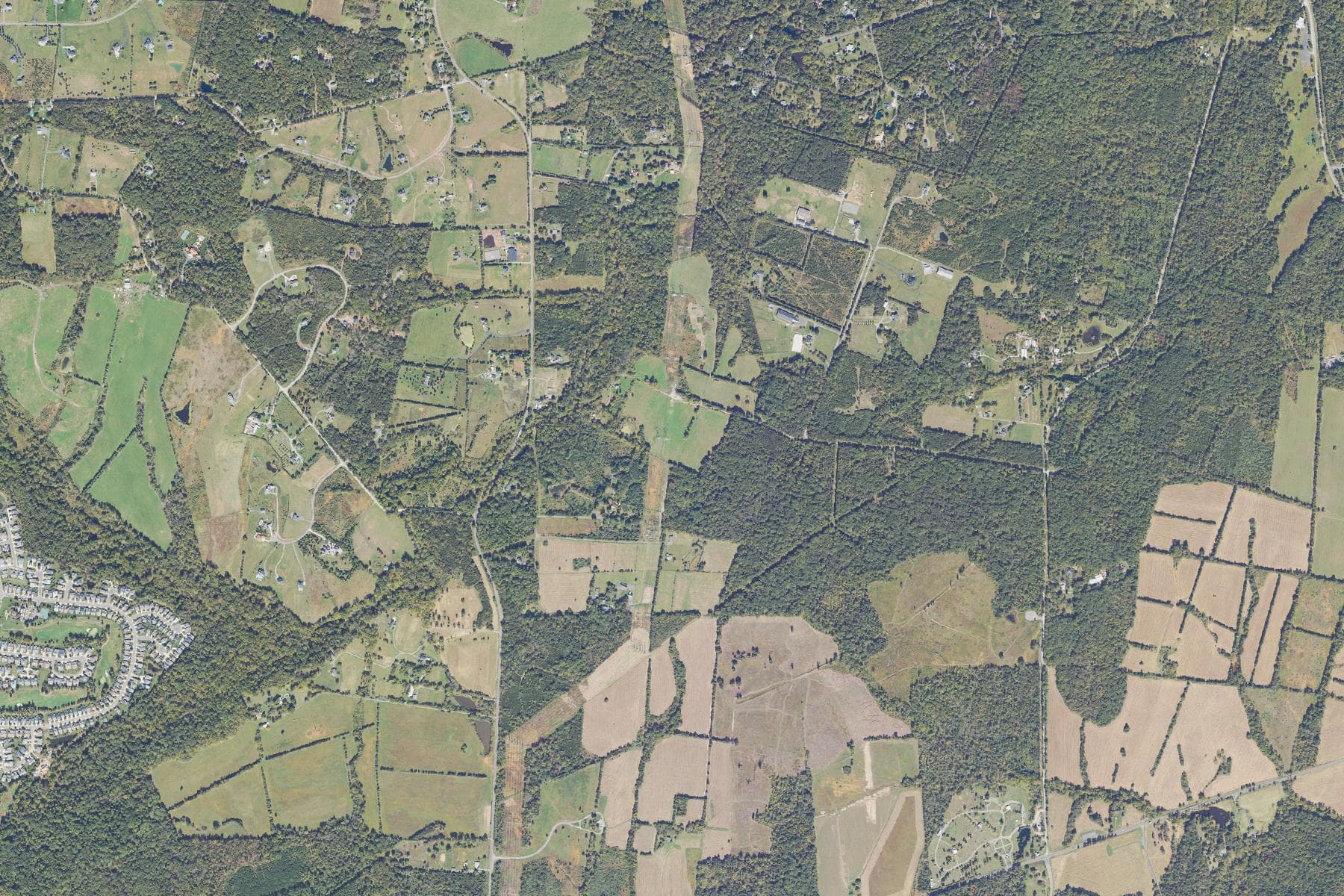
Digital Gateway rezoning corridor in Gainesville, Virginia, photographed 2023-10-11. The Pageland Lane corridor beside Manassas National Battlefield Park. The rezonings covering these 2,139 acres were voided and the final appeal withdrawn in July 2026, so what the frame shows is what remains.
USDA Farm Service Agency / USGS National Map, National Agriculture Imagery Program. Cropped from NAIP 0.6 m aerial imagery, scene m_3807712_ne_18_060_20231011. (original)
Key Takeaways
- Courts voided the rezonings for the largest proposed data center project in the world, the Prince William Digital Gateway, over defective public notice.
- Open meetings and sunshine law claims (Festus, Port Washington, Project Blue) attack deals negotiated behind closed doors.
- Procedural defects, notice, hearing rules, skipped regional reviews, beat merits arguments in court almost every time.
- Appeal windows after an approval can be as short as 30 days, and 10 days for some Texas decisions; the day the vote happens is the day to call a lawyer.
If a data center is proposed or newly approved next to you, you are standing in the one arena where neighbors beat the industry regularly. Courts have voided the rezonings behind the largest proposed data center project on earth, blocked votes with restraining orders, and forced counties to redo approvals in public. The catch: these cases are won on procedure, and procedure has brutal deadlines.
Why approval challenges win
Rezonings and special use permits must follow exact statutory procedure: published notice, proper hearings, required studies, open deliberation. Courts rarely second-guess a council's judgment, but they void approvals where procedure failed. The Digital Gateway rezonings died on defective notice alone. Coweta County plaintiffs attack a skipped regional impact study. Festus residents allege the deal was briefed in private huddles that violate Missouri's Sunshine Law. Bessemer homeowners won a restraining order and forced the process to restart.
The playbook and the clock
The sequence: pull the full application and every notice the county published; attend and speak at hearings so the record shows opposition; request records of communications between officials and the developer; and the moment approval passes, get counsel, because judicial appeal windows can be 30 days or less. Political routes run alongside: Peculiar, Missouri neighbors reversed a data center approval by flipping the council itself, no lawsuit required. The full strategy is in our guide to fighting a proposed data center.
Get organized, then get counsel
These cases are group efforts: neighbors and community associations splitting a retainer, sometimes with a nonprofit ally. If a project near you was just approved or is heading to a vote, tell us where it stands while the deadlines are still alive; where a participating land use attorney in your state is available, we may share your information with them with your consent, but we cannot promise that anyone will contact you.
The real cases behind this claim
- The Prince William Digital Gateway Lawsuit: How a Notice Defect Voided the World's Biggest Data Center Project
Preservationists and Oak Valley residents sued Prince William County in January 2024 over the Digital Gateway rezonings. A circuit judge voided the approvals on defective public notice, the Virginia Court of Appeals affirmed, Compass and the county walked away, and on July 2, 2026 QTS withdrew its final appeal at the Supreme Court of Virginia and said it was terminating the project. Full history and what it teaches every community fighting a data center.
- Coweta County's Project Sail Lawsuit: Residents Sue to Void a $17 Billion Data Center Rezoning
Seventeen Coweta County residents, farmers, and landowners are suing the county and Atlas Development LLC to void the rezoning of rural conservation land for a $17 billion hyperscale data center campus near Sargent Road. The suit says the county broke its own rules and Georgia rezoning law. Status, claims, and what it means for neighbors.
- Festus, Missouri: The Sunshine Law Lawsuit Over a $6 Billion Data Center
Wake Up JeffCo and four property owners filed a 12-count, 54-page lawsuit against the City of Festus and developer CRG over a $6 billion data center, alleging Missouri Sunshine Law violations including serial private briefings and a development agreement released the Friday before a Monday vote. The suit seeks to void the rezoning and the development contract.
- Bessemer's Project Marvel Lawsuit: How a Dismissed Case Still Forced a Do-Over
Homeowners near Rock Mountain Lake Road sued Bessemer, Alabama in April 2025 over the rezoning for Project Marvel, a $14.5 billion, 18-building data center campus. A TRO blocked the council vote, the city restarted the process, and the case was dismissed by joint stipulation on June 22, 2026. What the case won even in losing.
The deep dive
How to Fight a Proposed Data Center Before It Breaks Ground
Approval fights are the most successful category of data center litigation. Here is the playbook: reading the rezoning file, spotting notice and open meetings defects, organizing neighbors, referendums and recalls, moratoriums, and the short appeal clocks that decide everything.
Read the full guide →
Frequently asked questions
Can neighbors stop a data center from being built?
It has happened repeatedly. Courts voided the Digital Gateway rezonings in Virginia over defective notice, Bessemer homeowners forced a restart with a restraining order, and Peculiar, Missouri reversed an approval politically. Success usually turns on procedural defects and moving fast after the vote.
How long do I have to challenge a data center rezoning?
Appeal windows vary by state and can be as short as 30 days from the approval (10 days for some Texas decisions). Treat the vote as the deadline trigger and consult a land use attorney immediately; waiting for construction to start is how strong cases die.
What is an open meetings violation in a data center approval?
State sunshine laws require public bodies to deliberate with proper notice, in public. Approvals negotiated in closed sessions or serial private briefings, as alleged in Festus, Missouri and Port Washington, Wisconsin, can be voided even when the underlying vote was unanimous.
How much does it cost to fight a data center approval?
These are usually group-funded: neighbors or an association split a flat retainer with a land use firm. Costs vary with how far the case goes, and organized groups have sustained multi-year challenges against the largest developers.