By Company
OpenAI and Oracle Data Center Disputes: Saline Township, Stargate, and the Developer That Sued the Town
The OpenAI and Oracle campus in Saline Township, Michigan got built because the developer sued. After the township denied the rezoning, Related Digital filed an exclusionary zoning suit and the township settled by consent judgment, allowing a campus reported at $16 billion to proceed with a community benefits package. Residents say the settlement overrode their vote. With the Stargate project in Abilene, Texas, it is the record of the OpenAI build-out so far.
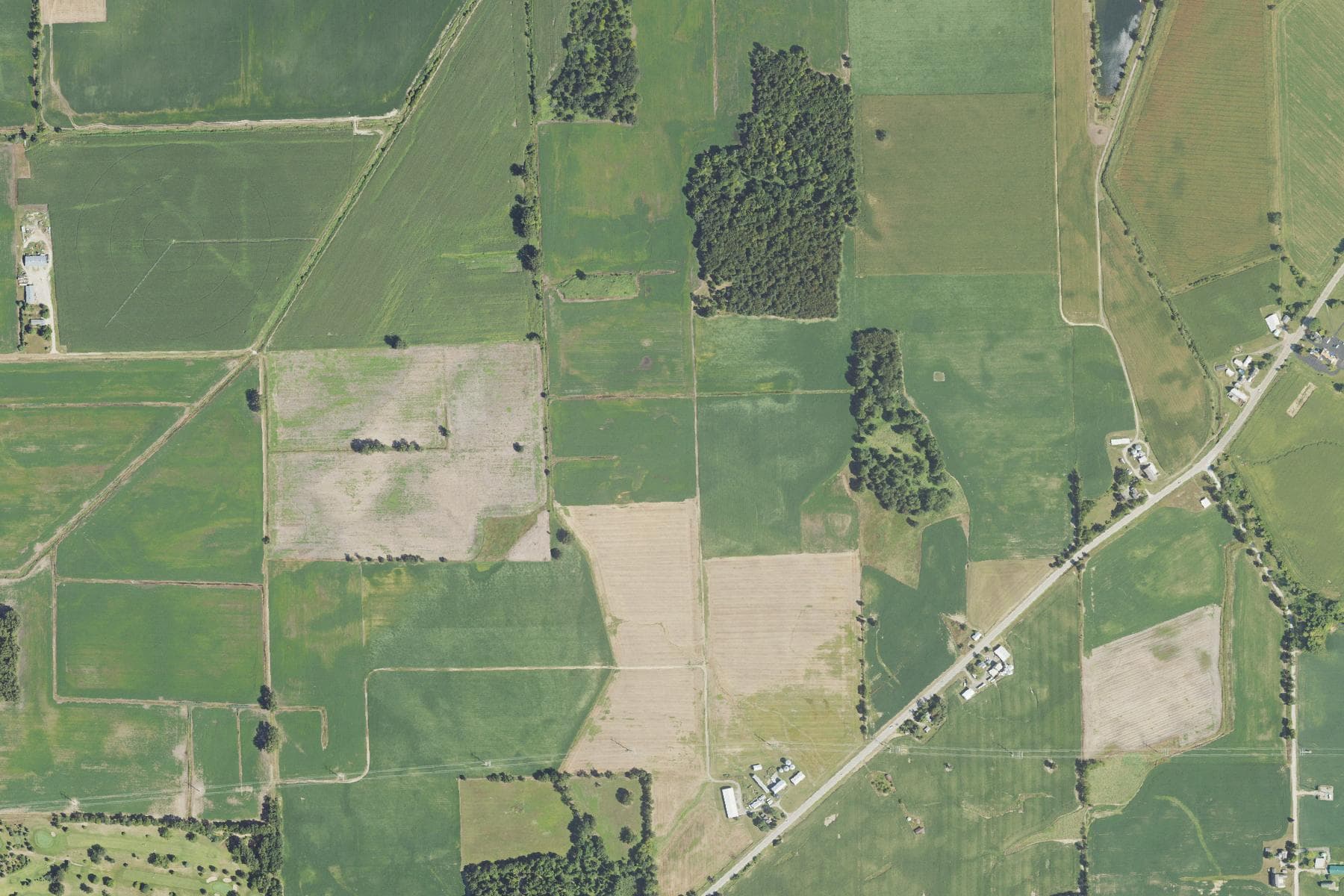
farmland now under construction as a data center campus in Saline Township, Michigan, photographed 2022-08-16. Farmland in Saline Township in 2022, before construction. The campus now rising on these fields is the one the settlement's community benefits package was negotiated around.
USDA Farm Service Agency / USGS National Map, National Agriculture Imagery Program. Cropped from NAIP 0.6 m aerial imagery, scene m_4208357_ne_17_060_20220816. (original)
OpenAI and Oracle on the tracker
- Tracker entries
- One: Related Digital v. Saline Township, the exclusionary zoning suit, settled by consent judgment
- How it started
- The township board voted 4 to 1 to deny the rezoning; the developer and landowners sued two days later
- How it ended
- A court-approved consent judgment allowing the project to proceed with conditions and a community benefits package; a resident's motion to intervene was denied in February 2026
- Footprint
- Saline Township, Michigan (Related Digital campus for OpenAI and Oracle, reported at $16 billion); Stargate, Abilene, Texas
Key Takeaways
- The only tracker case involving OpenAI and Oracle is one where the developer was the plaintiff: after Saline Township, Michigan denied the rezoning for their campus, Related Digital and the landowners sued, alleging exclusionary zoning, and the township settled.
- The theory that won was that a township with no industrial zoning at all cannot exclude a legitimate use entirely, a Michigan doctrine that turned the township's lack of industrial land into the developer's leverage.
- The consent judgment let the project proceed with conditions and a community benefits package; a resident who tried to intervene was denied in February 2026, and residents launched a recall effort against three board members.
- OpenAI's other major build, the Stargate project in Abilene, Texas, has not produced litigation on the tracker.
- Saline is the case every township should read before voting no: a denial is only as strong as the zoning code behind it.
In this article
Has OpenAI or Oracle been sued over a data center? On our tracker, the direction runs the other way. In September 2025, two days after the Saline Township, Michigan board voted 4 to 1 to deny a rezoning for a hyperscale campus to serve OpenAI and Oracle, the developer, Related Digital, and the site's landowners sued the township. Their theory was exclusionary zoning: Saline had no land zoned for industrial use, and under Michigan law a community cannot exclude a legitimate use altogether. The township settled by consent judgment, the campus, later reported at $16 billion, moved forward with conditions and a community benefits package, and residents who felt their vote had been overridden launched a recall. OpenAI's other major campus, the Stargate project in Abilene, Texas, has not produced litigation on the tracker. The Saline case is below.
Every case on the tracker
- SettledMichiganSaline Township v. the $7 Billion Data Center: When the Developer Is the One Who Sues
Settled; project proceeding with community benefits package
Saline Township, Michigan denied rezoning for a $7 billion, 1.4 gigawatt OpenAI/Oracle data center campus in September 2025. Developer Related Digital and landowners sued the township for exclusionary zoning under the Michigan Constitution, and the township settled for roughly $14 million in community benefits. A resident's Open Meetings Act challenge to the settlement was denied in February 2026. The case is the clearest warning that developers sue too.
Every OpenAI and Oracle site in the registry
11 sites on the public record in 8 states: 5 operating, 4 under construction, 0 permitted, 2 proposed. 3 carry documented opposition or litigation. 10.7 GW planned. Most contested first.
- Project Camellia (OpenAI Effingham County Campus) · Rincon, GAProposed · 3.2 GW · In litigation
- Stargate The Barn Campus · Saline Township, MIUnder construction · 1.4 GW · In litigation
- Stargate Project Jupiter · Santa Teresa, NMUnder construction · 1 GW · Contested
- Stargate Abilene · Abilene, TXOperating · 1.2 GW · Mixed reception
- Stargate Lordstown Campus · Lordstown, OHUnder construction · 1.5 GW · Supported
- Lancium Clean Campus (Crusoe / Stargate Site 1) · Abilene, TXOperating · 1.2 GW · Supported
- Stargate Milam County Campus · TXUnder construction · 1.2 GW · Supported
- Oracle Hillsboro Data Center · Hillsboro, OROperating · 7 MW
- Oracle Elk Grove Village Data Center · Elk Grove Village, ILProposed
- Oracle Salt Lake City · Salt Lake City, UTOperating
- Oracle West Jordan Data Center (Project Sequoia) · West Jordan, UTOperating
When the developer sues
Most data center litigation is residents against a government that said yes. Saline Township is a government that said no, and lost, because its own zoning code left it exposed. The exclusionary zoning doctrine holds that a municipality cannot use zoning to bar a legitimate use everywhere within its borders; a township with no industrial district at all, facing a developer who calls a data center a necessary use, has a hard argument. Rather than litigate it, the board settled. Our full report on the Saline Township case covers the suit, the consent judgment, the denied intervention, and the recall.
The lesson travels. A denial is only as durable as the code behind it, and communities that want to say no to hyperscale projects need zoning that can survive a suit: a defined industrial district, standards for data centers as a use, and a record that the denial was tied to those standards. Our guide to fighting a proposed data center and the moratorium tracker cover how communities are doing it.
The OpenAI build-out so far
OpenAI's campuses are being developed by partners, Related Digital in Michigan and the Stargate venture in Abilene, Texas, which is why the company's name appears in reporting more than in captions. The Abilene project is on our Texas page; no litigation involving it is documented. As the build-out reaches more townships, the Saline pattern, a fast denial followed by a developer suit, is the one to expect, and the one to prepare for. If a project on this model is proposed near you, our free case review connects you with an independent attorney in our network who handles data center cases in your state, at no cost and with no obligation.
Frequently asked questions
Was there a lawsuit over the OpenAI data center in Saline Township, Michigan?
Yes, filed by the developer. After the Saline Township board voted 4 to 1 to deny the rezoning in September 2025, Related Digital and the landowners sued the township alleging exclusionary zoning. The township settled by consent judgment, allowing the campus for OpenAI and Oracle to proceed with conditions and a community benefits package. A resident's motion to intervene was denied in February 2026.
What is exclusionary zoning and why did it matter in Saline?
Under Michigan law, a municipality generally cannot use zoning to exclude a legitimate land use from its entire territory. Saline Township had no land zoned for industrial use, and the developer argued a data center was a necessary use that could not be barred altogether. The township settled rather than litigate the question.
Has anyone sued over the Stargate data center in Abilene, Texas?
No litigation involving the Stargate project in Abilene is documented on our tracker as of September 2026.
Is a OpenAI and Oracle data center disrupting your home?
Tell us what is happening. We will connect you with an independent attorney who handles data center cases in your state, free and with no obligation. These cases are commonly taken on contingency, so there are typically no upfront fees.
- Free case review
- Independent attorneys
- No obligation
Attorney or law firm handling data center matters? Speak with us